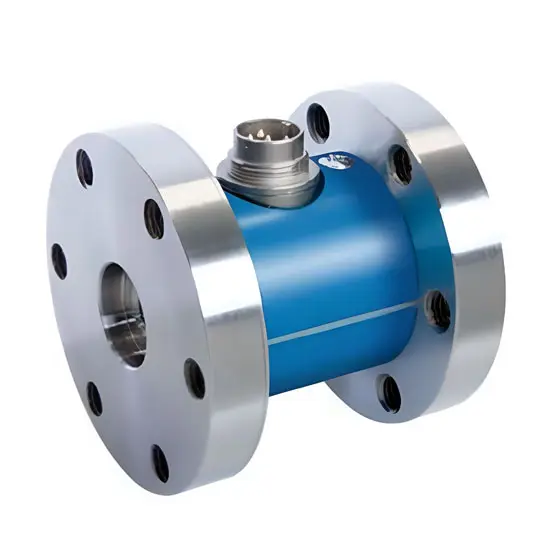
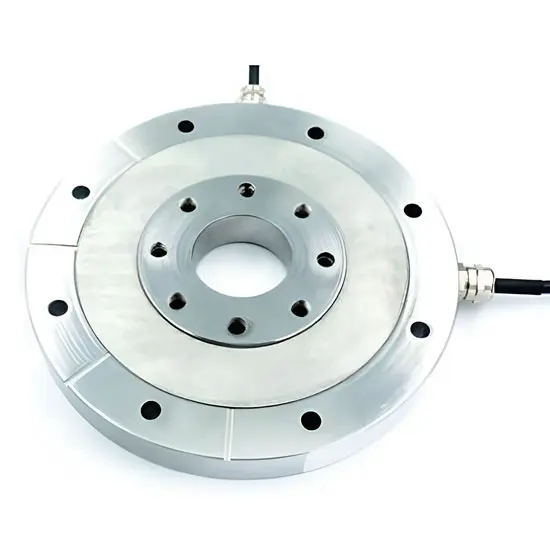
Custom vs Standard Force Torque Sensors: Which One Do You Need?

If you’re here, you are probably trying to decide between a custom force torque sensor and a standard one. , they look similar. Both measure force. Both measure torque. Both claim “high precision.”

Some people buy a standard sensor and it works fine. Others try the same thing and end up wasting time, money, and patience. Happens a lot more than vendors admit.

What Is a Force Torque Sensor?

Before we jump into custom vs standard, just a quick reset. A force torque sensor measures:

  • Force (push/pull)
  • Torque (rotational force)

But when you start dealing with robotics, automation, testing system things get messy. You’re not just measuring one direction. You’re dealing with multi-axis loads, vibrations, temperature changes, weird mounting setups.

Standard Force Torque Sensors: The Easy Option

A standard force torque sensor is basically an off-the-shelf product. Pre-designed. Pre-tested. Ready to ship.

Why people choose standard sensors

  • Faster delivery
  • Lower cost (usually)
  • Proven design
  • Easy integration (in common setups)

For example:

  • Basic robotic arms
  • Lab testing setups
  • Simple industrial automation

Common issues with standard sensors

  • Doesn’t fit your mounting setup properly
  • Limited measurement range
  • Not sensitive enough (or too sensitive)
  • Struggles in harsh environments
  • Integration becomes “adjust everything else to fit the sensor”

Custom Force Torque Sensors: Built for Your Problem

Now let’s talk about custom force torque sensors.These aren’t off-the-shelf. They’re designed around your application.Your load. Your environment. Your system.Yeah, it takes more time upfront. But sometimes that’s exactly what you need.

Why Go Custom? (Real Reasons, Not Marketing Talk)

1. Perfect Fit (Literally)

Custom sensors are designed to match:

  • Your mounting interface
  • Your mechanical structure
  • Your system layout

No hacks. No adapters. No “let’s just make it work.”

2. Right Measurement Range

Standard sensors come in fixed ranges.

But what if:

  • Your force is too low? → You lose accuracy
  • Your force is too high? → You risk damage

Custom sensors solve this by matching the exact range you need.

3. Better Accuracy Where It Matters

Let’s be real.

Accuracy isn’t just about numbers on a datasheet.

It’s about:

  • Your specific load conditions
  • Direction of forces
  • Real working environment

Custom sensors are tuned for that. Standard ones… not really.

4. Works in Harsh Conditions

If you’re dealing with:

  • High temperature
  • Dust
  • Moisture
  • Vibrations

Standard sensors can struggle.

Custom ones? Designed for it from day one.

5. Integration Becomes Easier (Yes, Easier)

Sounds backward, but it’s true.

Instead of forcing your system to adapt to the sensor…

The sensor adapts to your system.

Big difference.

So… Which One Should You Choose?

Alright, let’s cut through the noise.

Choose a Standard Force Torque Sensor if:

  • Your application is simple
  • Budget is tight
  • You need something fast
  • Your requirements match available models

Basically… if nothing is “special” about your setup.

Choose a Custom Force Torque Sensor if:

  • Your application is complex
  • You need high precision
  • Your setup is unique
  • Standard options don’t fit properly
  • You care about long-term performance

And honestly… most industrial applications fall into this category.

Cost: The Thing Everyone Worries About

Standard sensors:

  • Lower upfront cost
  • Quick purchase
  • Minimal customization cost

You might spend more later fixing integration issues.

Custom sensors:

  • Higher initial cost
  • Longer development time

But…

  • Better performance
  • Less modification needed
  • Lower long-term cost (in many cases)

Truth is, cheap upfront doesn’t always mean cheap overall.

Real-World Example (This Happens a Lot)

A company building a robotic system needed a multi axis force torque sensor.They went with a standard model.Looked good on paper.

But then:

  • Mounting didn’t align properly
  • Readings were slightly off under real load
  • Calibration became a headache

They ended up redesigning parts of the system just to fit the sensor.Later switched to a custom solution.Everything aligned. Data stabilized. Problem solved.Could’ve saved months if they started there.

Performance vs Convenience (The Real Trade-Off)

This is what it comes down to.

FactorStandard SensorCustom Sensor
SpeedFastSlower
CostLower upfrontHigher upfront
FitGeneralPerfect
AccuracyGoodOptimized
FlexibilityLimitedHigh

No option is “better” universally.

It depends on what you’re building.

When Standard Sensors Actually Make More Sense

Let’s not ignore this.

Custom isn’t always the answer.

Standard sensors are perfect when:

  • You’re prototyping
  • Testing an idea
  • Running non-critical measurements
  • Working on budget constraints

Sometimes “good enough” really is enough.

When Custom Is the Only Logical Choice

On the other side…

If your system:

  • Requires consistent accuracy
  • Handles complex loads
  • Needs long-term reliability

Then forcing a standard sensor into that setup is… not smart.

You’ll feel it later.

Multi Axis Force Torque Sensors (Quick Note)

Most modern applications don’t deal with just one direction.

They use multi axis force torque sensors.

These measure:

  • X, Y, Z force
  • Torque in multiple directions

And this is exactly where custom solutions shine.Because real-world forces are messy. Not clean. Not predictable.

FAQs

What is the difference between custom and standard force torque sensors?

Standard sensors are pre-built and ready to use, while custom force torque sensors are designed specifically for your application, offering better fit and performance.

Are custom force torque sensors more accurate?

Yes, in most cases. Custom sensors are optimized for specific conditions, which improves accuracy compared to general-purpose standard sensors.

When should I use a standard force torque sensor?

Use a standard sensor when your application is simple, budget is limited, and your requirements match available models.

Are custom sensors worth the cost?

If your application is complex or requires high precision, then yes. They often save time and cost in the long run.

What industries use force torque sensors?

Force torque sensors are widely used in:

  • Robotics
  • Industrial automation
  • Aerospace
  • Automotive testing
  • Medical devices

What is a multi axis force torque sensor?

A multi axis force torque sensor measures force and torque in multiple directions (X, Y, Z), making it ideal for complex and dynamic applications
Custom Sensor Manufacturing Expert

The rapid pace of change makes accurate data essential for modern business. And central to the collection of that data are sensors. They measure temperature, pressure, motion and flow among other critical values. These measurements allow machines to run without a hitch and safely. Standard sensors could be purchased for any general scenario, however are not always suitable for each situation. That is where Custom Sensor Manufacturing comes into play.

We believe that no business should have convoluted their systems to conform to dumb sensors; at MareX, we design with adaptability in mind. The sensor is better off designed according to the system’s specific requirements. By partnering with an expert in custom sensor manufacturing, these companies have the opportunity to improve performance, mitigate risk, and create better products.

Understanding the Real Need

Every industry has different challenges. A marine business is handling saltwater and humidity. An industrial plant is exposed to heat, pressure and vibration. Medical equipment as a whole needs exceptional precision and very stringent safety standards. Standardized sensors have more general purpose designs and therefore do not necessarily operate optimally in all environments.

Custom Sensor Manufacturing addresses this issue by designing sensors to meet the specific needs of the job. All of these factors are selected for the sensor based on where it is going to be used and how. Trade-offs are thus rendered moot. A better fit between sensor and application leads to more effective, longer-lasting systems.

Improved Accuracy and Performance

One key reason that companies adopt Custom Sensor Manufacturing is accuracy. Measurement errors amounting to even a few millimeters can lead to system failures, or reduced efficiencies over time. Each sensor is bespoke calibrated for its use. This enhances measurement precision and consistency.

Machines run better when sensors tell the truth. Maintenance can be planned properly. Unexpected breakdowns become less common. In the long run accurate sensing increases overall productivity.

Custom Sensor Manufacturing enables your businesses to have controllable operations. MareX in particular delivers sensors that are stable and maintain reliable readings on their real working conditions.

Stronger Durability

As with most industries, many are working under harsh environments. Poorly designed sensors can take damage from heat, dust, moisture, chemicals and heavy movement. Standard products might not last as long under these conditions.

When working with engineers of custom sensors, they choose sturdy materials and protective designs appropriate to the environment in which the sensor will function. The sensor lifespan is extended and downtime reduced. Keeping a sensor for long will simply save on replacements and maintenance costs.

Durability is a focus at MareX. We build sensors to deal with real-world stress. We strive to develop solutions that are effective under tough circumstances.

Easier Integration

The second major benefit of Custom Sensor Manufacturing is seamless integration. Standard sensors may need additional connectors, adapters or modifications. It also increases installation time and adds cost.

A custom solution has been crafted so that elements were designed from the ground up. All these features are tailored to the customer’s specifications including output types, mounting styles, dimensions and cable lengths. This speeds up and simplifies the installation.

Integration should never be complex with MareX. When properly designed, a custom sensor integrates seamlessly into the system and cuts down on errors and time during manufacturing.

Supporting Innovation

When companies are not constrained by off-the-shelf components then being able to innovate becomes simpler. Custom Sensor Manufacturing Provides Engineers with Greater Freedom to Develop New Products These sensors can then be further miniaturised, reduced in weight or upgraded to meet the needs of contemporary technologies.

Business partnerships with MareX become a significant part of the business development process. We enable design discussions, experimentation, and iteration. This collaboration often reduces development cycles and assists in bringing products to market sooner.

Custom Sensor Manufacturing is more than just creating a product. It means not just supporting creative ideas, but making them a working solution.

Long-Term Cost Benefits

Some companies fear the price tag of custom solutions. It may require a slightly higher initial investment, but Custom Sensor Manufacturing tends to save money in the long run. A well-designed sensor minimizes system alterations, mitigates failures, and reduces maintenance demands.

Reliably functional sensors are minimizing downtime and, in turn, safeguarding productivity. They also decrease warranty claims and service costs. The savings can be substantial over a product’s full life.

Scalability for Growing Businesses

As companies expand, their production demands grow as well. Custom Sensor Manufacturing can support this growth by providing flexible solutions that adapt to changing needs. A professional manufacturing partner plans for both small production runs and large-scale manufacturing. They understand how to maintain consistent quality while increasing output. With the right partner, businesses can scale smoothly without compromising performance, accuracy, or reliability.

At MareX we create processes that scale nicely. So whether a client requires prototypes or thousands of units, we apply the same level of quality and consistency. With changing markets it is important to be flexible, and we ensure our clients are prepared for future growth.

Building a Strong Partnership

Partnering with a Custom Sensor Manufacturing specialist provides technical expertise and assistance. Instead of just selling a product, an effective partner provides value by helping resolve problems and enhance performance.

At MareX, we believe in long-term relationships. We communicate clearly, listen critically, and remain engaged even beyond delivery. When changes are required, we’re quick to respond. A partnership with this approach creates trust and confidence.

Having a trusted manufacturing partner allows businesses to devote more time, energy, and resources on growth and innovation.

Conclusion 

At MareX, Custom Sensor Manufacturing is not a service; it is our way of life. It is a promise to excellence, accuracy, and collaboration.” No two applications are alike, and no client should have anything short of a tailored solution.

Opting for Custom Sensor Manufacturing gives businesses improved accuracy, enhanced durability, seamless integration, and cost-effectiveness in the long run. Even more importantly, they gain a partner who has been through their struggles and partners with them to build trusted solutions.

We proudly serve companies that require high performance and reliable results. From design through production, MareX stands ready to deliver custom sensor solutions that enable your systems to look and perform their best—now and into the future.

Custom Sensor Manufacturing: Why Industries Choose Tailored Force-Torque Solutions

The other day, I came across a video of a surgical robot stitching with a precision steadier than any human hand. Pretty wild, right? Now, here’s the thing: behind that smooth motion sits something most people never think about: sensors. Not the generic kind you’d find in everyday machines, but custom sensor manufacturing at its finest. And in 2025, more industries are waking up to the fact that tailored force-torque solutions aren’t a luxury anymore. They’re a must.

In this piece, we’ll explore why customization is becoming the new standard, how industries gain from it, and the latest trends shaping the field.

Why Standard Sensors Aren’t Enough

Off-the-shelf sensors have their place. They do the job in simple automation lines or basic robotics. However, when you are in aerospace, medical equipment, high-tech production or robots, then the game is different.

  • Complex environments → Extreme heat, constant vibration, or even vacuum conditions can push a standard sensor past its limit.
  • Extreme precision → One small misread in force measurement could trigger a costly recall or worse, a safety hazard.
  • Unique workflows → A robotic welder doesn’t move like a surgical assistant, so why should their sensors be the same?

That’s where tailored force-torque solutions step in. Instead of squeezing your project into the limitations of a generic sensor, customization lets you build exactly what’s needed for reliability where it matters most.

Key Advantages of Custom Force-Torque Sensors

Here’s what industries keep pointing to when they switch to custom sensor manufacturing:

1. Precision Engineering for Critical Tasks

Think prosthetics. A sensor tuned to human biomechanics makes movements smoother and more natural. The kind of precision that changes lives.

2.Durability in Harsh Conditions

Aerospace applications demand sensors that don’t buckle under overload, pressure, or environmental stress. Custom builds can add features like IP-rated protection and overload safety.

3.Seamless Integration

Rather than making a machine comply with a sensor, the sensor complies with the machine, whether it is a CNC system, robotic arm or a medical device. Less downtime. Less cost.

4.Competitive Edge Through Innovation

With tailored sensors, companies test, refine, and innovate faster. That means better product quality and a clear market edge.

How Custom Sensors Move from Concept to Production

One manufacturer ran into a frustrating problem: their robotic polishing system couldn’t achieve consistent finishes. The standard sensors were too dull, too clumsy. Once they upgraded to a custom force-torque solution, everything shifted. The finishes were smoother, material waste dropped, and machines lasted longer.

That’s not just a technical win; it’s a financial one. Precision is directly turned into ROI.

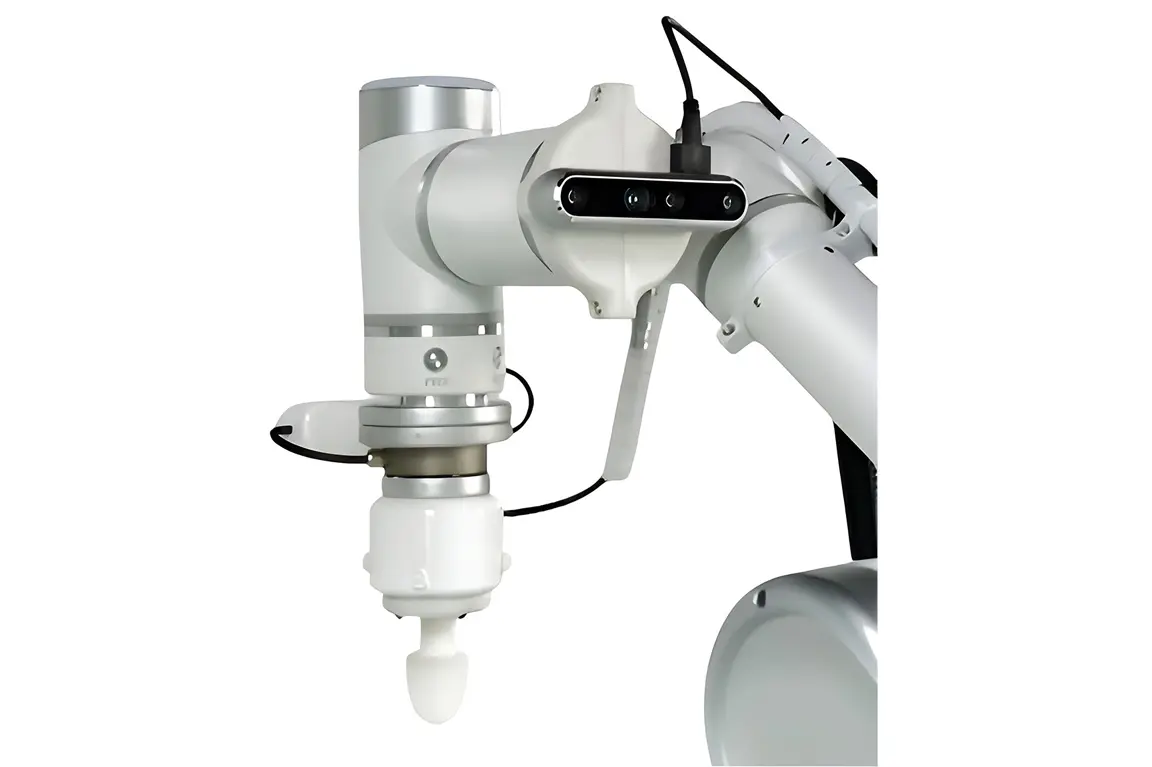
Force Sensor

2025 Trends in Custom Sensor Manufacturing

A few big shifts are shaping this space right now:

  • AI-driven calibration → Smart sensors adjusting themselves in real time.
  • Miniaturization → The wearable technology and medical implants are opening up to smaller, thinner designs.
  • Sustainability → Push for eco-friendly materials and sensors built to last longer.
  • Global demand → As Industry 5.0 becomes a reality, safer, smarter sensing of human-machine collaboration is required.

When Should You Consider Custom Sensors?

Not sure if your project really needs one? Let’s do a quick check:

  • In jobs that involve high risk, like aerospace, surgery or defense?
  • In critical requirements such as semiconductors, robotics or high-end R&D?
  • Watching standard sensors fail under your conditions?
  • Want to save on integration time and costs?
  • Feeling like your industry is evolving faster than your tools?

If even one of these rings true, a custom force-torque solution is worth exploring.

Why Industries Keep Choosing Customization

The truth is, industries aren’t settling for “good enough” anymore. In 2025, success depends on matching tools exactly to the challenge. This is why bespoke sensor production has become the solution of choice among serious companies that are concerned with safety, efficiency, and innovation.

The payoff? Stronger competitiveness, smoother operations, and performance that off-the-shelf products just can’t match.

Conclusion

We’re at a point where custom force-torque sensors have shifted from “nice-to-have” to “non-negotiable.” From robotics labs to operating rooms to aerospace testing grounds, tailored solutions are helping industries push boundaries while keeping safety and reliability front and center.

At MareX, we design and manufacture these custom solutions so industries can hit their boldest goals with confidence. If your project demands precision beyond what standard tools can deliver, now’s the perfect time to see what a tailored sensor can unlock. Ready to start the conversation? Let’s make it happen.