AI Massage Robot Architecture: Sensor Fusion, Force Control, and Intelligent Therapy Automation

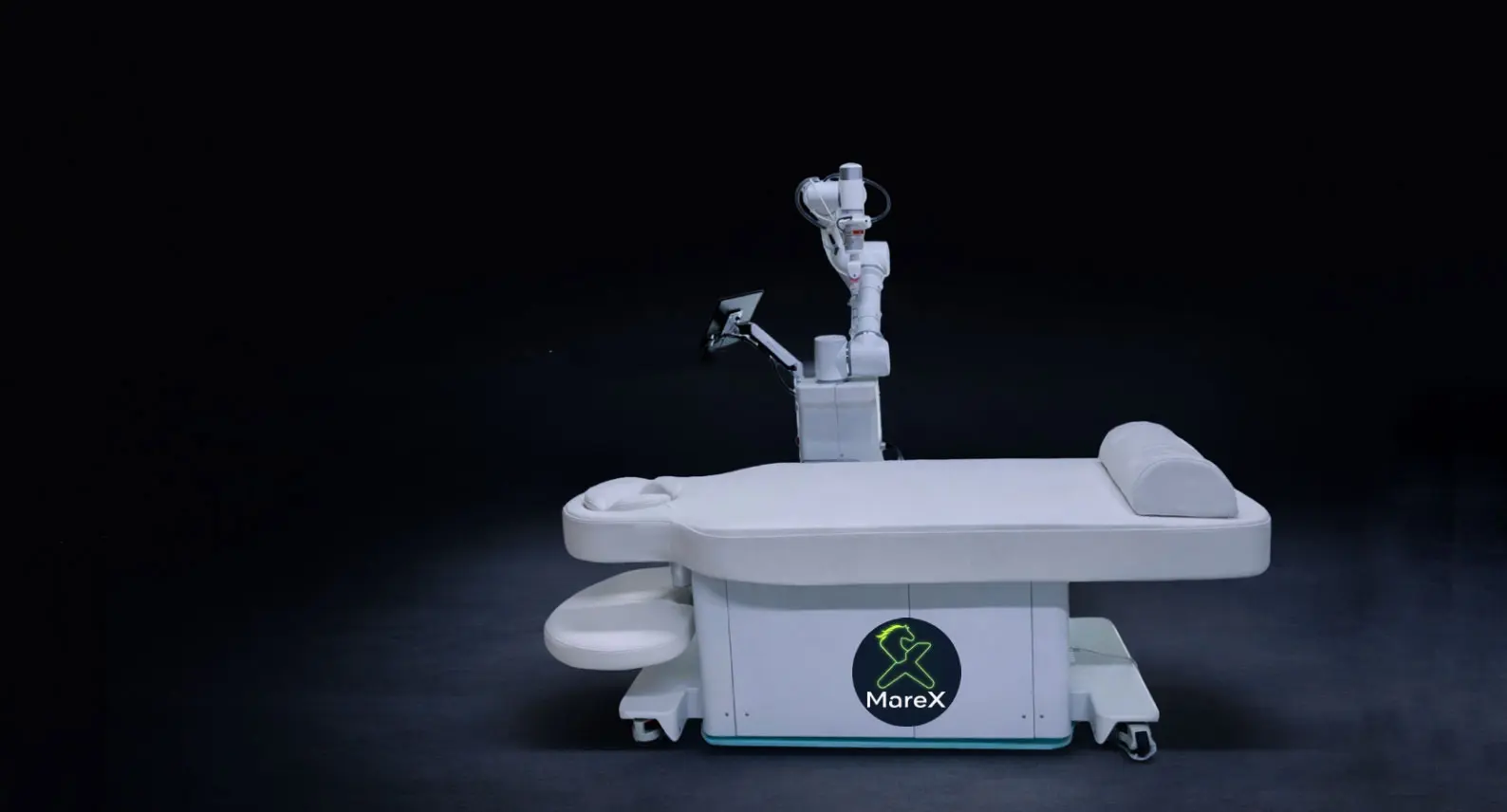
The evolution of robotic therapy systems has led to a new class of intelligent machines—AI-powered massage robots. These systems are not just automated tools; they are precision-controlled, sensor-driven platforms capable of delivering consistent, adaptive, and personalized therapy. In many modern applications, AI powered robot massage systems are becoming a practical solution for automation-driven therapy environments, especially where consistency and repeatability matter.At the core of this innovation lies a combination of sensor fusion, force control algorithms, and intelligent automation frameworks.For manufacturers and engineers, understanding the architecture behind these systems is essential to achieving high performance, safety, and user satisfaction

System Architecture Overview

Most AI massage robots follow a three-layer structure. Clean. Functional.

1. Perception Layer (Sensors & Data)

This is where everything starts. The robot needs to “feel” before it can act. No shortcuts here.

2. Control Layer (Processing & Decision Making)

Raw data comes in. Algorithms process it. Decisions get made—how much force, where to move, when to stop.

3. Execution Layer (Actuators & Mechanics)

Motors, joints, mechanical arms. This is where intention becomes motion.

All three layers run in a loop. Constant feedback. Adjustments happening in milliseconds. If that loop breaks, performance drops fast.

Sensor Fusion: The Foundation of Precision 

Sensor fusion combines multiple data streams into something usable. More accurate. More reliable.

Typical setup includes:

  • Force/Torque Sensors
  • Tactile (pressure) sensors
  • Position encoders
  • IMUs (orientation + motion tracking)

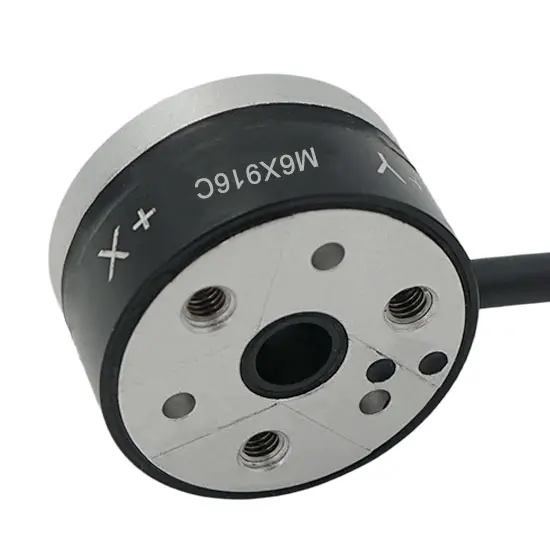
Individually, each one has limits. Together, they fill the gaps.The robot can map body contours, detect resistance, and adjust pressure in real time. That’s the difference between a rigid machine and something that feels… responsive.A multi-axis force torque sensor plays a big role here. It doesn’t just measure push—it tracks force in all directions. Subtle changes. Micro-adjustments. That’s where precision lives.

Force Control Systems

If there’s one thing that defines whether these systems work or fail—it’s force control.You’re not moving objects. .Three main strategies show up a lot:

Impedance Control

Adjusts how “stiff” or “compliant” the robot feels. More resistance? It softens.

Admittance Control

The opposite approach. External force drives motion changes.

Hybrid Control

Mixes position and force control. More balanced. Usually more practical in real systems.

None of these are perfect on their own. Engineers tweak them constantly.

The goal is simple:

  • Keep pressure consistent
  • Adapt across body regions
  • Never exceed safe limits

Intelligent Therapy Automation (Where AI Actually Helps)

AI in this space isn’t magic. It’s pattern recognition and optimization. That’s it.But used correctly—it’s powerful.

These systems can:

  • Identify tension zones based on resistance patterns
  • Adjust intensity without manual input
  • Learn user preferences over time

Not instantly. Not perfectly. But gradually, they get better.Machine learning models process historical data. Small improvements stack up. Eventually, the system starts to feel tailored.Still, AI doesn’t replace engineering fundamentals. If your sensor data is bad, AI won’t fix it. It just amplifies the problem.

Mechanical Design and Actuation

This part gets overlooked sometimes. It should not .You can have the best algorithms in the world—if the hardware isn’t smooth, it shows.

Execution layer includes:

  • Multi-axis robotic arms
  • Precision motors
  • Soft-contact end effectors

The goal is to replicate human motion. Not exactly, but close enough.

Kneading. Pressing. Tapping. These aren’t just movements—they’re force patterns over time.

And consistency matters more than complexity. A simple motion done well beats a complex one done poorly.

Role of High-Precision Force Torque Sensors

This is where quality really shows.Cheap sensors? You’ll see drift, noise, inconsistency. Over time, performance degrades. Users notice.

High-quality sensors give:

  • Stable real-time feedback
  • Multi-axis force measurement (Fx, Fy, Fz, Tx, Ty, Tz)
  • Better repeatability
  • Safer interaction

That last point matters more than most people admit.Manufacturers like MareX Technology Co., Ltd focus heavily on this space—custom multi-axis sensors designed specifically for robotics. Not generic parts. Application-specific design.

Conclusion

AI massage robots sit at an intersection—robotics, sensing, control systems, and AI. You can’t ignore any one of these.

The strength of AI Massage Robot Architecture comes down to balance:

  • Accurate sensor fusion
  • Reliable force control
  • Thoughtful automation

Cut corners in any of those, and the system feels it.For engineers and manufacturers, the real focus shouldn’t be just innovation. It should be quality and long-term performance. Because in this kind of application, consistency matters more than novelty.And honestly, that’s what separates systems that work… from ones that just look good on paper.
    Your Attractive Heading

    Custom vs Standard Force Torque Sensors: Which One Do You Need?

    If you’re here, you are probably trying to decide between a custom force torque sensor and a standard one. , they look similar. Both measure force. Both measure torque. Both claim “high precision.”

    Some people buy a standard sensor and it works fine. Others try the same thing and end up wasting time, money, and patience. Happens a lot more than vendors admit.

    What Is a Force Torque Sensor?

    Before we jump into custom vs standard, just a quick reset. A force torque sensor measures:

    • Force (push/pull)
    • Torque (rotational force)

    But when you start dealing with robotics, automation, testing system things get messy. You’re not just measuring one direction. You’re dealing with multi-axis loads, vibrations, temperature changes, weird mounting setups.

    Standard Force Torque Sensors: The Easy Option

    A standard force torque sensor is basically an off-the-shelf product. Pre-designed. Pre-tested. Ready to ship.

    Why people choose standard sensors

    • Faster delivery
    • Lower cost (usually)
    • Proven design
    • Easy integration (in common setups)

    For example:

    • Basic robotic arms
    • Lab testing setups
    • Simple industrial automation

    Common issues with standard sensors

    • Doesn’t fit your mounting setup properly
    • Limited measurement range
    • Not sensitive enough (or too sensitive)
    • Struggles in harsh environments
    • Integration becomes “adjust everything else to fit the sensor”

    Custom Force Torque Sensors: Built for Your Problem

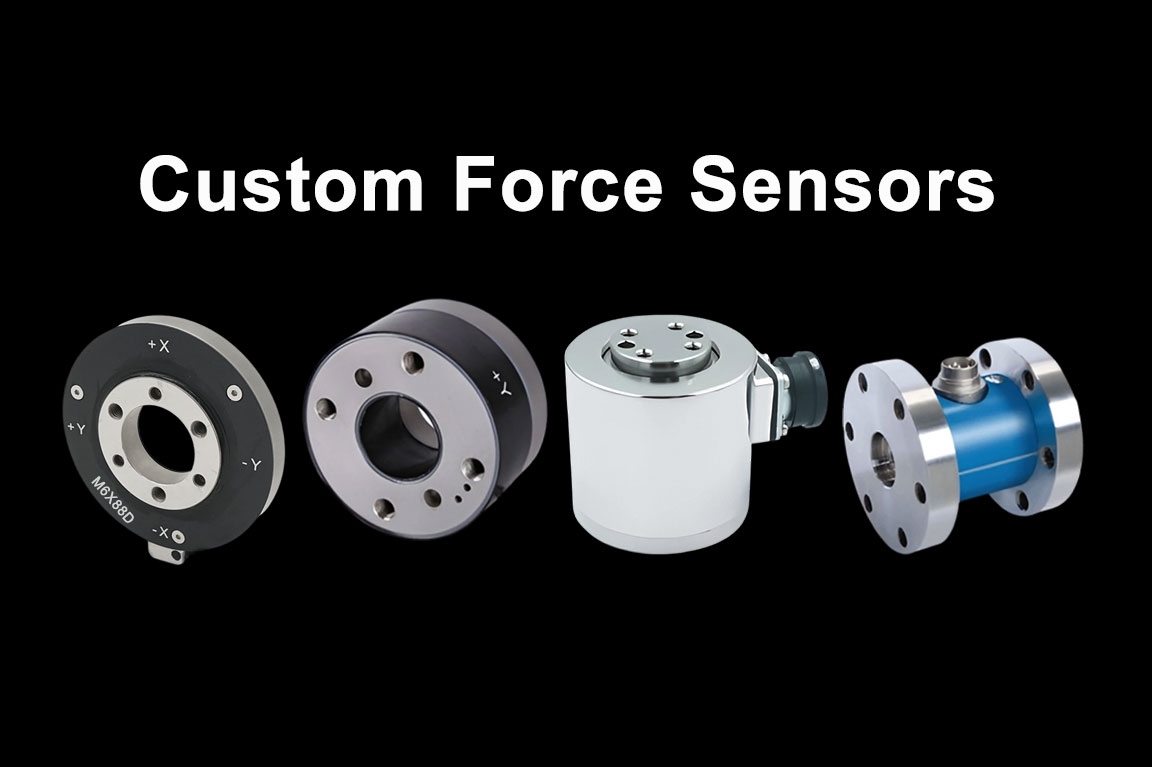
    Now let’s talk about custom force torque sensors.These aren’t off-the-shelf. They’re designed around your application.Your load. Your environment. Your system.Yeah, it takes more time upfront. But sometimes that’s exactly what you need.

    Why Go Custom? (Real Reasons, Not Marketing Talk)

    1. Perfect Fit (Literally)

    Custom sensors are designed to match:

    • Your mounting interface
    • Your mechanical structure
    • Your system layout

    No hacks. No adapters. No “let’s just make it work.”

    2. Right Measurement Range

    Standard sensors come in fixed ranges.

    But what if:

    • Your force is too low? → You lose accuracy
    • Your force is too high? → You risk damage

    Custom sensors solve this by matching the exact range you need.

    3. Better Accuracy Where It Matters

    Let’s be real.

    Accuracy isn’t just about numbers on a datasheet.

    It’s about:

    • Your specific load conditions
    • Direction of forces
    • Real working environment

    Custom sensors are tuned for that. Standard ones… not really.

    4. Works in Harsh Conditions

    If you’re dealing with:

    • High temperature
    • Dust
    • Moisture
    • Vibrations

    Standard sensors can struggle.

    Custom ones? Designed for it from day one.

    5. Integration Becomes Easier (Yes, Easier)

    Sounds backward, but it’s true.

    Instead of forcing your system to adapt to the sensor…

    The sensor adapts to your system.

    Big difference.

    So… Which One Should You Choose?

    Alright, let’s cut through the noise.

    Choose a Standard Force Torque Sensor if:

    • Your application is simple
    • Budget is tight
    • You need something fast
    • Your requirements match available models

    Basically… if nothing is “special” about your setup.

    Choose a Custom Force Torque Sensor if:

    • Your application is complex
    • You need high precision
    • Your setup is unique
    • Standard options don’t fit properly
    • You care about long-term performance

    And honestly… most industrial applications fall into this category.

    Cost: The Thing Everyone Worries About

    Standard sensors:

    • Lower upfront cost
    • Quick purchase
    • Minimal customization cost

    You might spend more later fixing integration issues.

    Custom sensors:

    • Higher initial cost
    • Longer development time

    But…

    • Better performance
    • Less modification needed
    • Lower long-term cost (in many cases)

    Truth is, cheap upfront doesn’t always mean cheap overall.

    Real-World Example (This Happens a Lot)

    A company building a robotic system needed a multi axis force torque sensor.They went with a standard model.Looked good on paper.

    But then:

    • Mounting didn’t align properly
    • Readings were slightly off under real load
    • Calibration became a headache

    They ended up redesigning parts of the system just to fit the sensor.Later switched to a custom solution.Everything aligned. Data stabilized. Problem solved.Could’ve saved months if they started there.

    Performance vs Convenience (The Real Trade-Off)

    This is what it comes down to.

    FactorStandard SensorCustom Sensor
    SpeedFastSlower
    CostLower upfrontHigher upfront
    FitGeneralPerfect
    AccuracyGoodOptimized
    FlexibilityLimitedHigh

    No option is “better” universally.

    It depends on what you’re building.

    When Standard Sensors Actually Make More Sense

    Let’s not ignore this.

    Custom isn’t always the answer.

    Standard sensors are perfect when:

    • You’re prototyping
    • Testing an idea
    • Running non-critical measurements
    • Working on budget constraints

    Sometimes “good enough” really is enough.

    When Custom Is the Only Logical Choice

    On the other side…

    If your system:

    • Requires consistent accuracy
    • Handles complex loads
    • Needs long-term reliability

    Then forcing a standard sensor into that setup is… not smart.

    You’ll feel it later.

    Multi Axis Force Torque Sensors (Quick Note)

    Most modern applications don’t deal with just one direction.

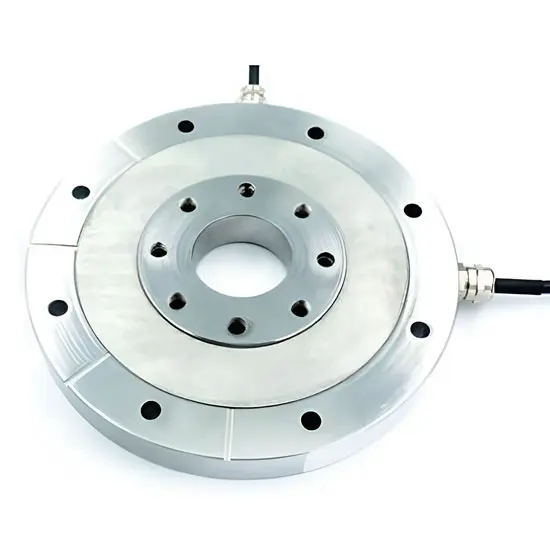
    They use multi axis force torque sensors.

    These measure:

    • X, Y, Z force
    • Torque in multiple directions

    And this is exactly where custom solutions shine.Because real-world forces are messy. Not clean. Not predictable.

    FAQs

    What is the difference between custom and standard force torque sensors?

    Standard sensors are pre-built and ready to use, while custom force torque sensors are designed specifically for your application, offering better fit and performance.

    Are custom force torque sensors more accurate?

    Yes, in most cases. Custom sensors are optimized for specific conditions, which improves accuracy compared to general-purpose standard sensors.

    When should I use a standard force torque sensor?

    Use a standard sensor when your application is simple, budget is limited, and your requirements match available models.

    Are custom sensors worth the cost?

    If your application is complex or requires high precision, then yes. They often save time and cost in the long run.

    What industries use force torque sensors?

    Force torque sensors are widely used in:

    • Robotics
    • Industrial automation
    • Aerospace
    • Automotive testing
    • Medical devices

    What is a multi axis force torque sensor?

    A multi axis force torque sensor measures force and torque in multiple directions (X, Y, Z), making it ideal for complex and dynamic applications

    Strain Gauge vs. Other Sensing Technologies: What’s Best for Custom Force Sensors?

    A strange fact to start. Most force sensor failures do not come from bad hardware. They come from the wrong sensing choice made at the start.

    It happens quietly. Data looks fine in the lab buy the real loads hit. Temperature shifts, noise creeps in, accuracy slips and suddenly the sensor is the weak link.

    This piece of writing clears that fog. You will learn how strain gauges compare to other sensing technologies, where each one shines, and how to choose the best option for custom force sensors without overthinking it.

    Why force-sensing decisions matter more now

    Force sensors are everywhere now: Robotics, medical tools, automation lines and aerospace rigs, even consumer devices.

    Industry data shows the global force sensor market keeps growing as systems get smaller and smarter. At the same time, tolerance for error keeps shrinking.

    A tiny drift today can cause big failures tomorrow. That puts pressure on one key decision.

    Strain gauges explained without the jargon

    A strain gauge measures how much a material stretches or compresses when force is applied. That stretch changes electrical resistance. The change is measured, and the force is calculated. Simple idea, but extremely reliable when done right.

    Strain gauges have been around for decades because they work: Quietly, predictably, over long periods of time.

    Why strain gauges still lead custom force sensor design

    Accuracy you can trust

    Strain gauge sensors offer high accuracy across a wide force range. More importantly, they stay accurate. When calibrated well, they deliver repeatable results for years, not weeks.

    Built for custom geometry

    Custom force sensors rarely look standard. Strain gauges can be bonded to beams, rings, plates, or complex shapes. That flexibility makes them ideal when space, load direction, or mounting is unusual. You design the sensor around the application, not the other way around.

    Strong performance in harsh conditions

    With the right protection, strain gauges handle:

    • Temperature swings
    • Long duty cycles
    • Vibration
    • Industrial environments

    That is why they dominate test rigs, aerospace systems, and heavy equipment.

    Other force-sensing technologies and where they fit

    Strain gauges are not always the answer. Other technologies shine in specific cases.

    Piezoelectric sensors

    Piezo sensors generate a charge when force changes. They are excellent for fast events like impacts or vibration analysis. But they struggle with steady force. If the load stays constant, the signal fades. That limits their use for static measurements.

    Capacitive force sensors

    Capacitive sensors measure changes in the distance between plates. They are sensitive and work well at low forces. They react to temperature, humidity, and electrical noise. In controlled environments, they perform well.

    Hydraulic and pneumatic load sensing

    These systems handle very high loads. They are common in heavy machinery. For compact custom force sensors, they are rarely practical.

    Optical force sensors

    Optical sensors use light to detect force changes. They resist electrical noise, which is useful in special environments. They are also complex, expensive, and harder to integrate into custom mechanical designs.

    When strain gauges are the better choice

    This is where the title really comes into play.

     For bespoke force sensors, strain gauges are a good bet in the following situations:

    • steady readings over time
    • There is little to no movement in the force
    • The form factor of the sensor has to be tailor-made
    • Unpredictable or industrialized environments
    • Dependability over innovation in the long run is paramount

    They are more practical than other options, despite their lack of sparkle. That matters when products leave the lab.

    Customized 6-Axis Force Sensor Buy Online

    Real-world example from production

    One automation system used capacitive sensors during early testing. Performance looked great in controlled trials. Once installed on the factory floor, readings drifted as temperatures changed, and calibration became a weekly task.

    The team redesigned the sensor using strain gauges. Drift dropped, calibration held, downtime stopped. That story repeats across industries.

    2026 trend: smarter strain gauge systems

    Strain gauges are not stuck in the past.

    In 2026, most advanced designs combine strain gauges with:

    • Digital compensation
    • Temperature correction
    • Smart signal processing

    The sensing element stays simple. On top is the intelligence. This combined method provides precision without compromising dependability.

    Final thoughts

    When comparing strain gauges to other sensing technologies, the answer depends on reality, not theory. For custom force sensors, strain gauges continue to offer the best balance of accuracy, flexibility, and long-term stability.

    Other technologies have their place. But few perform as consistently once conditions get messy.

    If you are developing a custom force sensor and want guidance based on real engineering experience, Marex can help you choose the right sensing path from the start.

    What matters most in your application right now? Sensitivity at the edge, or performance you never have to question?