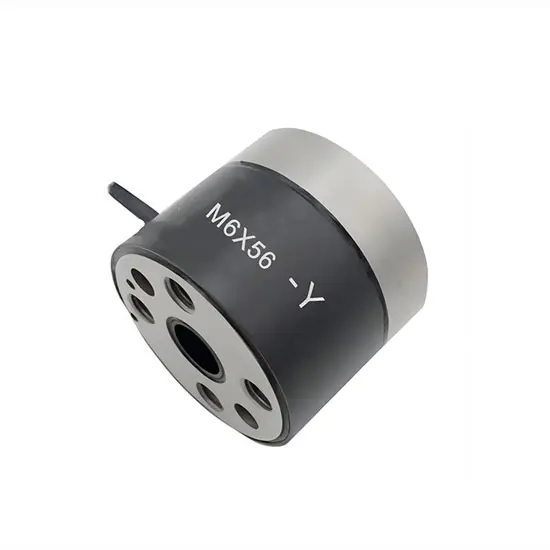
Common Challenges in Multi-Axis Force Measurement – And How to Solve Them

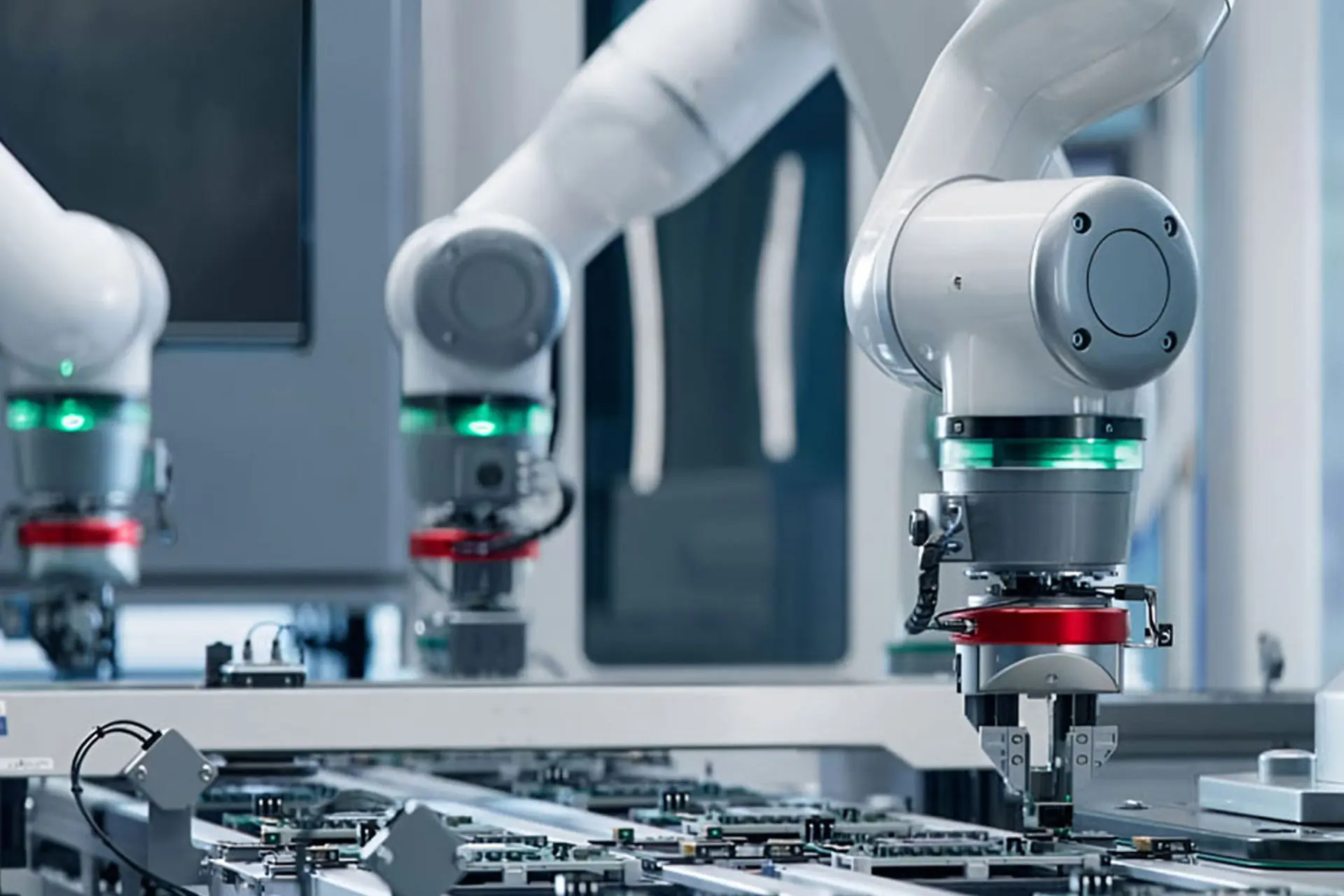
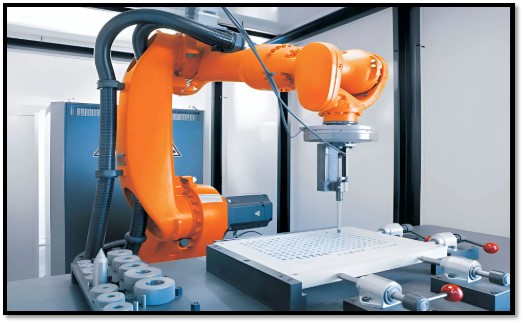
A robotic arm in a clean room applies too much force, cracking a solar wafer. A collaborative robot in assembly feels sluggish, its reactions just slightly off. The source isn’t the code. It’s the force sensor. The system’s sense of touch is flawed. These aren’t malfunctions. They are mismatches. The silent language of force feedback is speaking gibberish, and the machine obeys.

The Core Challenge: It’s Not a Sensor, It’s a Compromise

You buy a multi-axis force sensor for a reason: precision. Yet, you face a trio of relentless problems that undermine that goal. They are technical, yes, but their impact is purely practical: wasted time, scrap, and underperformance.

Crosstalk: The Data You Didn’t Ask For

Apply pure downward force. The Z-axis reads correctly. But the Y-axis also shows a slight signal. That’s crosstalk. Force from one direction leaks into another. Your controller receives a lie. It tries to compensate, introducing new errors. The result? A machine that fumbles its task. A grinding tool that wobbles. A prosthetic grip that feels unnatural. Standard sensors tolerate a crosstalk spec of 2-5%. In micron-level work, that’s a canyon of error.

Environmental Sabotage

Your factory floor is the enemy. Vibration from conveyors. Temperature swings from welding. Electromagnetic noise from drives. These aren’t nuisances. They are signal assassins. A sensor calibrated in a lab can drift wildly when bolted next to a stamping press. The data becomes noisy, unstable, and useless. You don’t need a sensor. You need a sensor built for your specific warzone.

The Physical Integration Headache

Found the perfect sensor. Right capacity. Perfect accuracy. Now install it. The bolt pattern doesn’t match. The connector faces the wrong way. The output is an analog voltage, but your system only reads digital EtherCAT. The project halts. You’re now redesigning mounting brackets, adding signal converters, and creating new failure points. The “solution” creates three new problems.

Solving It: The Custom-Fit Philosophy

Fixing this requires a different mindset. Stop shopping for a component. Start engineering a measurement node. The solution is specificity.

Designing Out Crosstalk at the Source

Fighting crosstalk with software filters is a band-aid. The fix is physical and fundamental. It requires a sensing element designed with decoupling as the first principle. Think of it as architectural isolation for strain gauges. Advanced designs use unique grid patterns and monolithic structures to ensure force directed on the X-axis stays reported on the X-axis. The goal is a crosstalk specification under 1%. Clarity by design, not correction.

Engineering for the Environment, Not Against It

You combat environmental noise by building a fortress, not a fence. This means:

  • Material Science: Selecting alloy cores with near-zero thermal expansion for the sensing element itself.
  • Absolute Sealing: Hermetic welds that protect the internal electronics from humidity, coolant, and dust permanently.
  • Active Shielding: Built-in filtering that targets the specific EMI frequencies of industrial motors.

The sensor must be born from your environment’s harsh reality.

Integration as the Starting Point

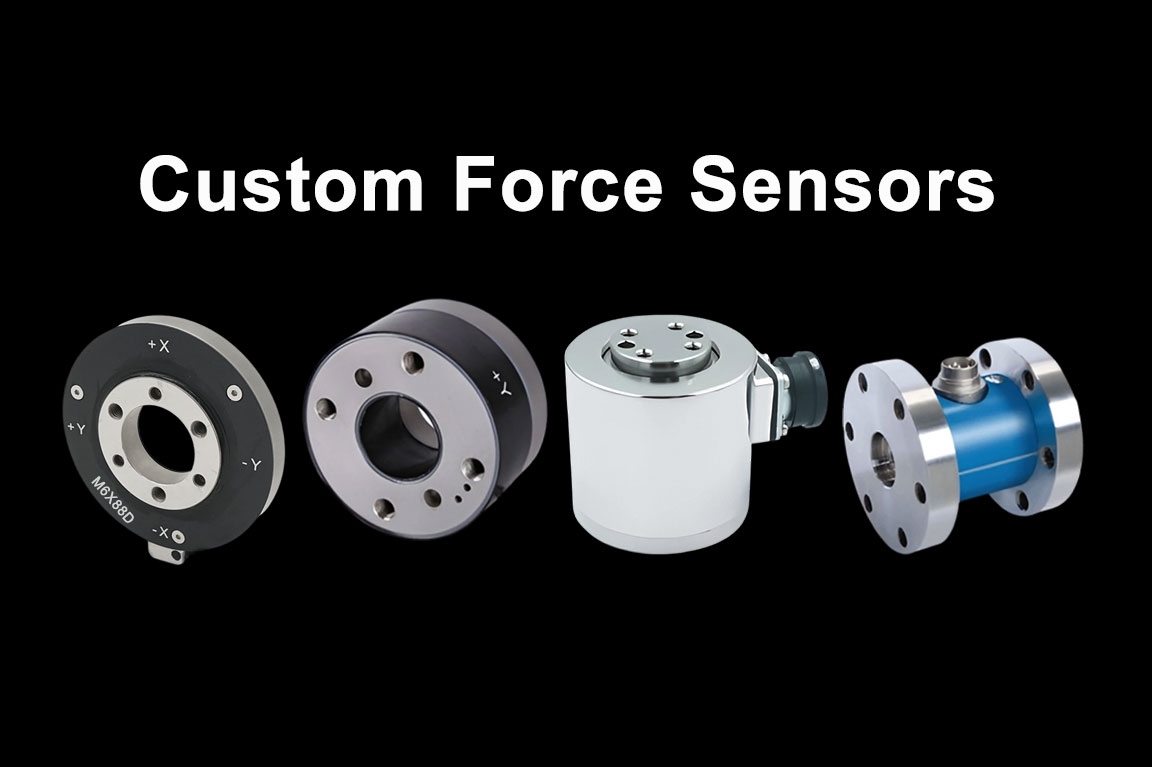
This is where true customization changes everything. The mechanical and electrical interface should not be an afterthought. It is the primary design constraint. A partner who gets this will offer what catalog suppliers cannot:

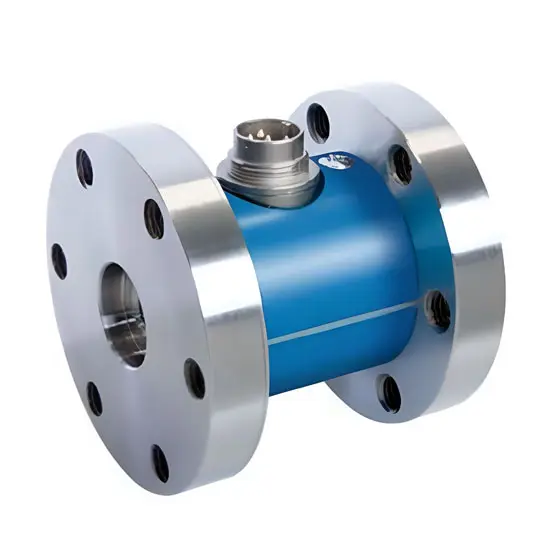
  • A custom flange that bolts directly to your robot’s wrist interface.
  • A low-profile housing machined to fit inside a surgical tool’s existing cavity.
  • A native Ethernet/IP or PROFINET output from the sensor’s own processor.
  • The machine’s design dictates the sensor’s form. Not the other way around.

From Problem to Precision: Making the Shift

The outcome of this approach is transformative. It moves force measurement from being a variable to being a constant. A foundation. When the data is inherently clean and the fit is physically seamless, the machine’s intelligence can finally act with confidence. That robotic arm doesn’t just avoid breaking the wafer. It can feel the wafer’s presence, its alignment, and handle it with nuanced, adaptive pressure.

This shift starts with a different kind of specification document. Don’t just list the sensor specs you think you need. Document the real-world problem.

  1. Describe the exact forces, both expected and potential overload.
  2. Map the environmental attackers: temperature range, vibration sources, and wash-down procedures.
  3. Define the mechanical and electrical space: share the 3D model of the assembly, and list the communication protocols your controller understands.

That document isn’t a purchase order. It’s an invitation to solve the problem correctly.

Where does your current system’s “sense of touch” fall short? Identifying that precise gap is the first step toward building a solution that doesn’t just measure, but truly understands.

MareX engineers begin with that question. The blueprint follows.

What Is Force Control Technology? How Multi-Axis Sensors Enable Smarter Robotics

The real breakthrough in robotics today isn’t about stronger arms. It’s about smarter fingertips. The quiet shift from robots that just move to robots that can genuinely feel and interact is reshaping automation. This change is driven by force control technology, with multi-axis force sensors as its essential core. Let’s look at how this works and why it matters now.

Understanding Force Control Clearly

Force control technology gives a machine a sense of touch and the ability to respond. Imagine wiping a table. Hand, thou dost feel the pressure, and it keeps adjusting. Your brain processes feedback from your nerves in a continuous loop.

That’s force control for a robot. It’s a real-time cycle:

  1. A sensor measures the force of interaction.
  2. A controller compares this to a target force.
  3. The robot’s motors instantly adjust.

This creates adaptability. A robot without it is blind to contact. It rigidly follows its path. If something is misaligned, it jams or pushes harder, causing damage. Force control allows the robot to yield and handle real-world variability.

Why One-Dimensional Sensing Falls Short

To see the value of multi-axis sensors, consider their simpler predecessor. A single-axis load cell measures force along one straight line. It can tell you a robot is pushing down with 10 newtons. But what if it’s also pushing sideways? That sensor is blind to the lateral force.

Real-world tasks are messy and three-dimensional. They involve combined motions. Think about screwing in a lightbulb. You apply both downward force and rotational twist. A single-axis sensor gives an incomplete picture. This limitation forces engineers to design overly precise, expensive fixtures to eliminate all variability. It’s a rigid and fragile way to build automation.

The Multi-Axis Sensor: A Complete Tactile Picture

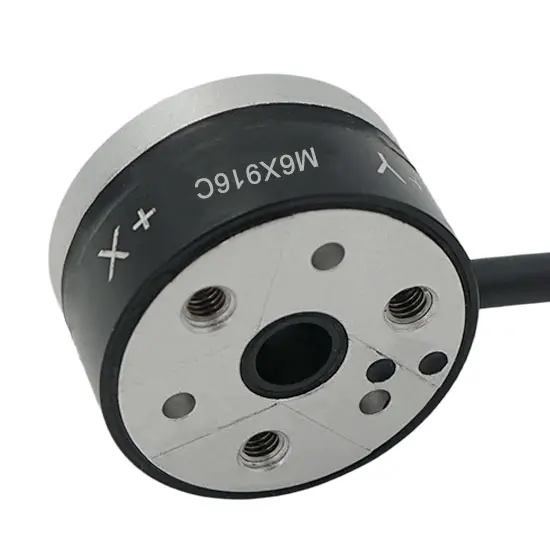
This is where multi-axis force/torque sensors change the game. A typical 6-axis sensor is the foundation for true force control. It does not quantify only one thing. It dissects the whole physical interaction by making simultaneous measurements:

  • Forces (Fx, Fy, Fz): Push and pull along the X, Y, and Z axes.
  • Torques (Tx, Ty, Tz): Twist, turn, and tilt around those axes.

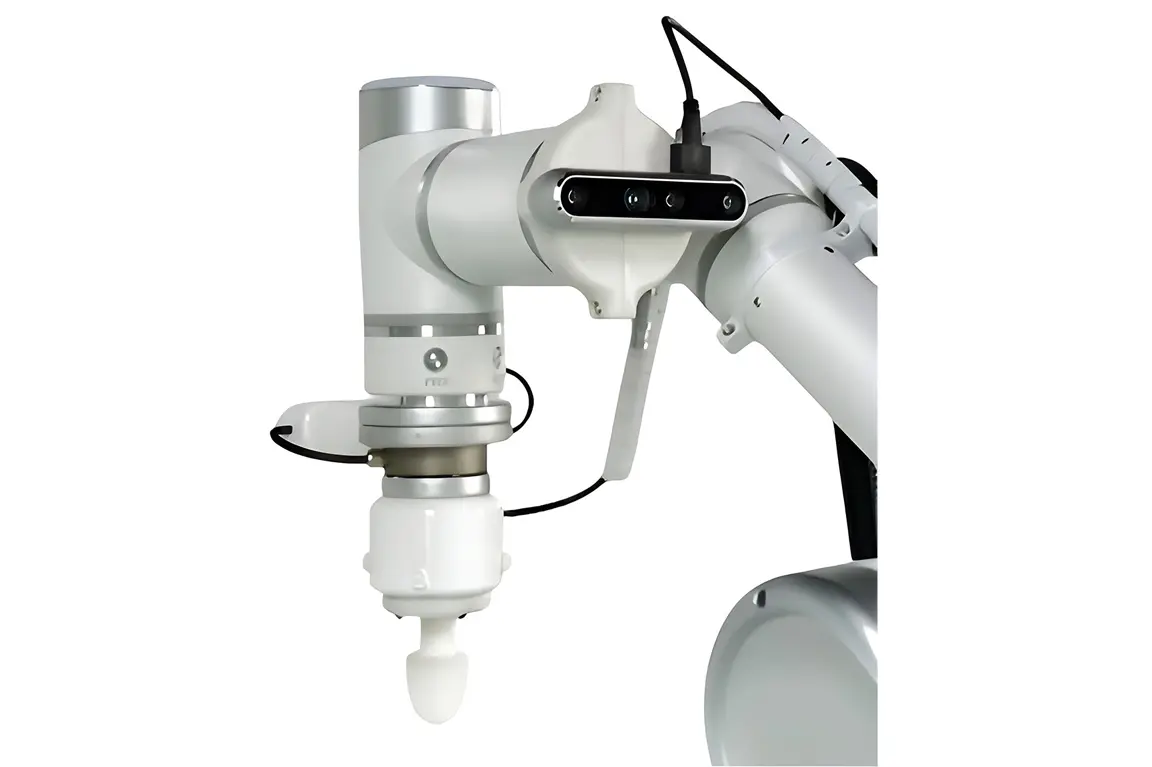
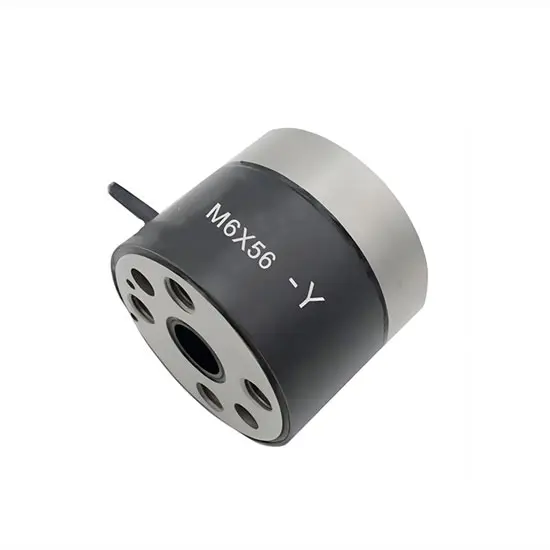
This small sensor should be mounted on the wrist between the end-effector and the gripper or tool of the robot. You have just given the machine the feel of a fine touch on the very end of the fingertips. Now it knows not only how difficult it is pressing, but also the direction and the kind of twist. This entire stream of data opens up new possibilities.

Real Applications This Technology Enables

This full-spectrum force data makes specific, valuable tasks possible and reliable.

Precision Assembly and Insertion. This is the famous “peg-in-a-hole” challenge. It applies to inserting connectors, placing circuit boards, or assembling gears. With multi-axis feedback, the robot feels the initial contact and the subtle guiding forces as parts align. It can execute a gentle spiral search to seat a component perfectly, preventing jams and damage.

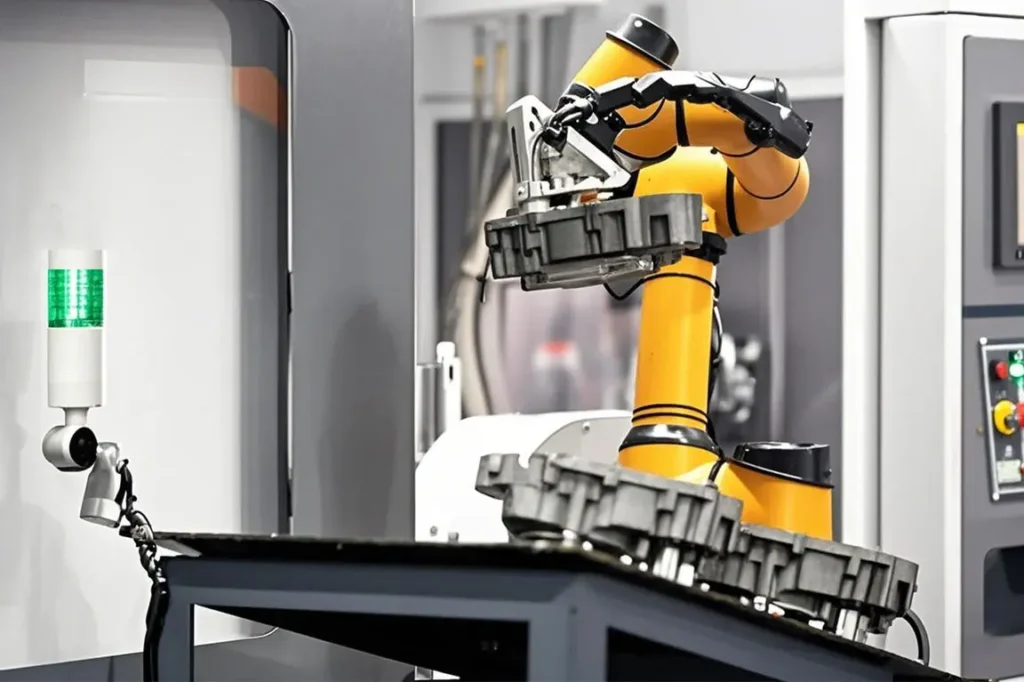
Adaptive Surface Finishing. Tasks like polishing, grinding, or deburring is terrible for traditional robots. Any variation in the part ruins the finish. With a multi-axis sensor maintaining a set contact force, the robot automatically adjusts its path to follow the object’s contour. This delivers consistent quality and reduces tool wear without needing perfect part positioning.

True Human-Robot Collaboration. Safety lasers can stop a robot when a human is nearby. Force control allows for fluid interaction. With multi-axis sensing, a collaborative robot can feel a human physically guiding its arm for easy programming. It can also detect unexpected contact from any angle and stop immediately, enabling safer shared workspaces.

Objective Quality Testing. What is the method of determining the snap-fit of a plastic lid or the screw torque? A multi-axis sensor on a robot is capable of repeating the action of a human tester and recording the precise force profile. Any discrepancy between the right profile raises an alert of a possible flaw, which gives stability in quality control based on data.

Implementation: It’s a System, Not Just a Part

A key lesson is that a multi-axis sensor is not a simple plug-and-play component. Success requires treating it as part of an integrated force control system.

Sensor placement is critical. Mounting it closer to the tool improves accuracy. The data stream is set to be high speed; therefore, it requires filtering in order to eliminate electrical noise. Control software parameters should be well-adjusted to a certain task. How fast and violent is the correction of the robot? It is also important to collaborate with a provider who knows the full integration process to avoid having unstable systems and deliver the promised results.

Evolving From Reaction to Prediction

The path forward is clear. As robots operate in less structured environments, force control transitions from a specialty to a necessity. The next evolution will merge this rich force data with machine learning. Robots will begin to learn from tactile experience, predicting the best way to handle new objects and recognizing the force signature of a successful operation.

This future of responsive, intelligent automation is built on precise, multi-dimensional sensing. The machines are gaining a sense of touch. That simple change is making them capable of far more complex and valuable work.

To see how tailored force sensing can solve specific automation challenges, the engineering team at MareX can provide insights. Their work focuses on the precise sensor technology that enables this intelligent interaction.

Five Key Benefits of Using a 6 Axis Force Torque Sensor in Robotics Application

Watch a surgical robot. See how it adjusts its pressure with a delicacy finer than a human hand. That’s not just programming. That’s feeling.
Now, look at an assembly line. A robot feels a part begin to slip. It corrects its grip in a millisecond. That’s not a preset command. That’s a reaction.
This is the new reality in robotics. The secret? A 6-axis force torque sensor. It’s the technology giving robots a genuine sense of touch. It lets them feel push, pull, twist, and turn all at the same time.
This changes everything. It bridges a massive gap. The gap between a dumb, repeating machine and a system that can intelligently adapt.
If you’re building, programming, or managing robots, you need to know how this sensor transforms applications. Let’s dive into the five key benefits. This is where machines truly come to life.

1. Achieve Unmatched Precision in Assembly Tasks

Robots are famously strong. But without feeling? They’re just clumsy.
Think about inserting a delicate component. Or threading a tiny screw. This requires a gentle touch. It needs constant, tiny adjustments. A rigid robot arm can’t do that alone.
Enter the 6-axis sensor. It provides that missing layer of intelligence.
Here’s the magic in action:
The robot starts moving a part into place. There is a slight misalignment. The sensor feels it instantly. It finds the barrier from side to side. It can feel the unpleasant twist in the rotation. This live force feedback streams to the robot’s brain. The system then guides the arm, making minute, real-time corrections.
The outcome is perfect. A perfect fit. Every single time. You say goodbye to broken parts and frustrating jams. You move from simple automation to intelligent, graceful execution.

2. Build True Safety for Human-Robot Collaboration

Safety is everything when people and robots share a space. For years, the answer was a cage. A physical barrier.
Force sensing smashes those cages.
A 6-axis sensor turns a potential hazard into a collaborative partner. It gives the robot the ability to perceive a human presence through physical touch.
Picture this scenario. An employee turns and accidentally leans into the path of the robot arm. A traditional system might not know until it’s too late. But a robot with force sensing? It feels the contact the moment it happens. It’s a proactive sense, not a reactive one.
The robot can be programmed to stop dead. Or to gently yield and move away. This builds real trust. It makes it possible for people with skills and robots with strength to really work together.

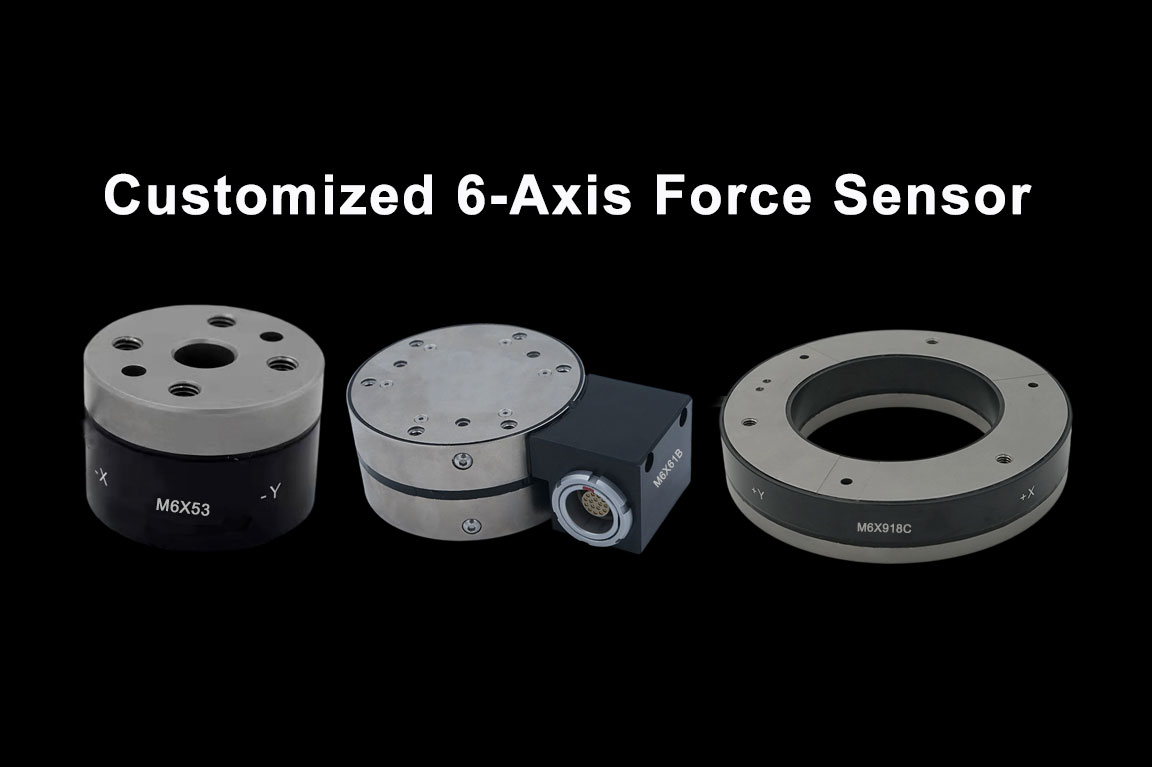
Sensor Customization Solution for 6-Axis

3. Run Automated Quality Checks You Can Trust

How do you know a product is right? Is the bolt tight enough? Is there a hidden flaw in the assembly?
You can’t check every single unit by hand. But a robot with a 6-axis sensor can.
It becomes your ultimate quality inspector, working 24/7.

Program the robot to perform a simple test. Push on a panel. Twist a knob. The sensor measures the exact force and torque it encounters. It compares this real-world data against a perfect standard you set.

  • The force is too high? Something’s bent. A part is stuck.
  • The torque is too low? A connection is loose.

This happens in real-time on the line. You catch failures the instant they happen. You get a hard data log for every product that rolls through. Quality is no longer a spot check; it’s built into every second of your process.

4. Unlock Simple Teaching with Hand-Guiding

Robot programming can be a nightmare. Jogging axes with a teach pendant is slow. It’s technical. It eats up valuable engineering time.
What if you could just show the robot what to do?
With a 6-axis sensor, you can. This is called hand-guiding.
You simply grab the end of the robot arm. You push it. You guide it along the path you want it to learn. The sensor feels your force and follows your lead, effortlessly recording the motion.
It’s incredibly simple. It’s intuitive. Tasks that took hours to program now take minutes. This is a game-changer for small batches and custom work. It gives incredible power to the shop floor operator.

5. Mine a Goldmine of Process Data

Everyone wants better data. But how do you get it?
A 6-axis force torque sensor is a powerful data hub on your robot. Every single action, every push, every insertion, every turn generates a story told in force and torque.
This data is a goldmine. You can use it to:

  • Predict maintenance. Spot a tool wearing out because the forces it uses are slowly changing.
  • Optimize speed. Understand real-world forces to make cycles faster without breaking things.
  • Prove your process. Show clients and regulators hard evidence that your work is perfect.

This moves you beyond simple control. You’re now into continuous improvement. You learn from every action. You make your entire operation smarter and more resilient.

The Final Word: Smarter Machines, Better Results

Adding a 6-axis force torque sensor isn’t a small step. It’s a giant leap. It transforms your robot. It goes from a machine that just repeats to a partner that interacts.
You get precision that amazes. You get safety that builds trust. You get quality you can prove. You get simplicity in teaching. And you get data that makes you smarter.
The big question has changed. It’s no longer if you need this sense of touch. It’s how you will use it to get ahead.
Ready to bring this adaptive intelligence to your robots? The engineers at Mare X live for this stuff. We specialize in high-precision, custom sensor solutions that solve real-world problems.

Custom Sensor Manufacturing: Why Industries Choose Tailored Force-Torque Solutions

The other day, I came across a video of a surgical robot stitching with a precision steadier than any human hand. Pretty wild, right? Now, here’s the thing: behind that smooth motion sits something most people never think about: sensors. Not the generic kind you’d find in everyday machines, but custom sensor manufacturing at its finest. And in 2025, more industries are waking up to the fact that tailored force-torque solutions aren’t a luxury anymore. They’re a must.

In this piece, we’ll explore why customization is becoming the new standard, how industries gain from it, and the latest trends shaping the field.

Why Standard Sensors Aren’t Enough

Off-the-shelf sensors have their place. They do the job in simple automation lines or basic robotics. However, when you are in aerospace, medical equipment, high-tech production or robots, then the game is different.

  • Complex environments → Extreme heat, constant vibration, or even vacuum conditions can push a standard sensor past its limit.
  • Extreme precision → One small misread in force measurement could trigger a costly recall or worse, a safety hazard.
  • Unique workflows → A robotic welder doesn’t move like a surgical assistant, so why should their sensors be the same?

That’s where tailored force-torque solutions step in. Instead of squeezing your project into the limitations of a generic sensor, customization lets you build exactly what’s needed for reliability where it matters most.

Key Advantages of Custom Force-Torque Sensors

Here’s what industries keep pointing to when they switch to custom sensor manufacturing:

1. Precision Engineering for Critical Tasks

Think prosthetics. A sensor tuned to human biomechanics makes movements smoother and more natural. The kind of precision that changes lives.

2.Durability in Harsh Conditions

Aerospace applications demand sensors that don’t buckle under overload, pressure, or environmental stress. Custom builds can add features like IP-rated protection and overload safety.

3.Seamless Integration

Rather than making a machine comply with a sensor, the sensor complies with the machine, whether it is a CNC system, robotic arm or a medical device. Less downtime. Less cost.

4.Competitive Edge Through Innovation

With tailored sensors, companies test, refine, and innovate faster. That means better product quality and a clear market edge.

How Custom Sensors Move from Concept to Production

One manufacturer ran into a frustrating problem: their robotic polishing system couldn’t achieve consistent finishes. The standard sensors were too dull, too clumsy. Once they upgraded to a custom force-torque solution, everything shifted. The finishes were smoother, material waste dropped, and machines lasted longer.

That’s not just a technical win; it’s a financial one. Precision is directly turned into ROI.

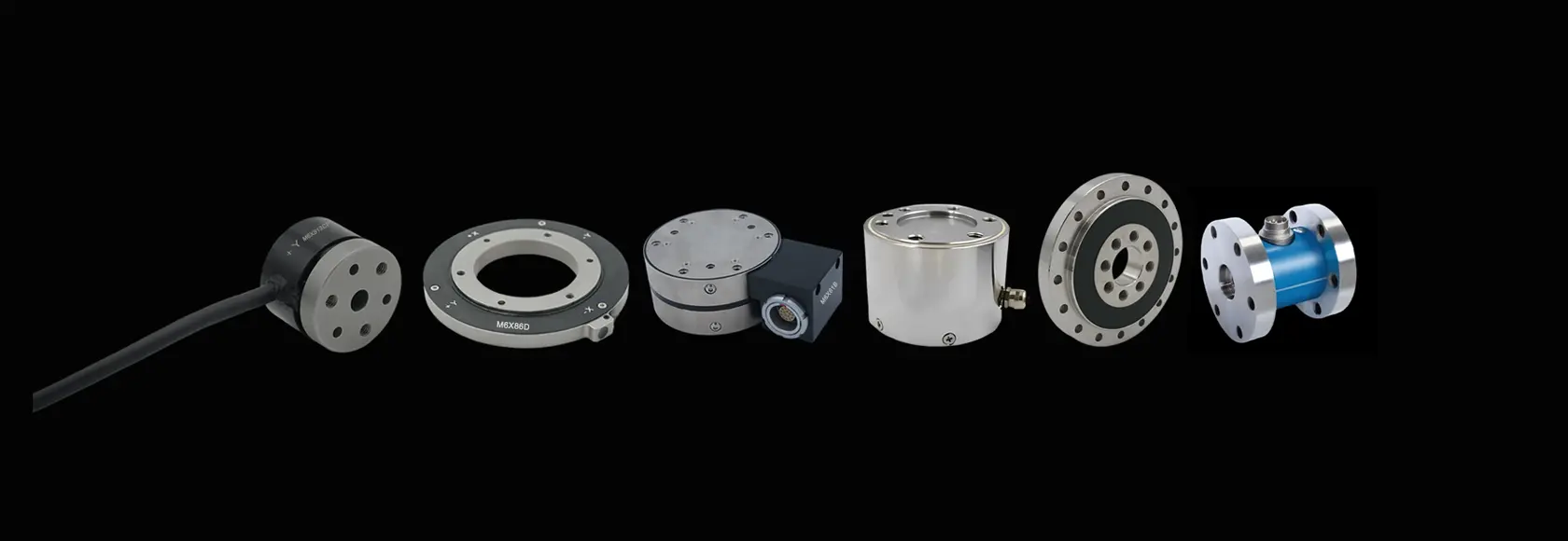
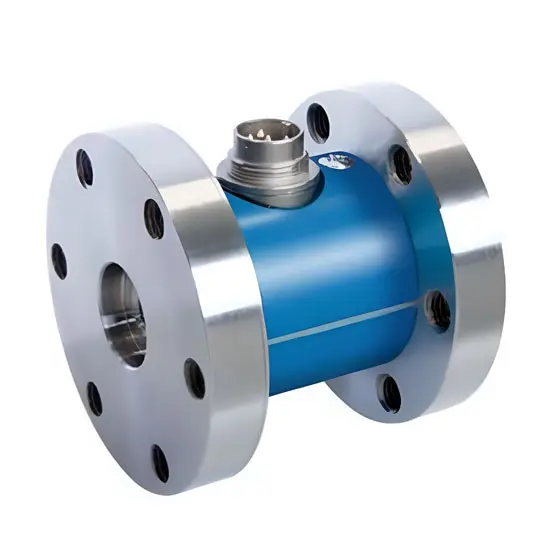
Force Sensor

2025 Trends in Custom Sensor Manufacturing

A few big shifts are shaping this space right now:

  • AI-driven calibration → Smart sensors adjusting themselves in real time.
  • Miniaturization → The wearable technology and medical implants are opening up to smaller, thinner designs.
  • Sustainability → Push for eco-friendly materials and sensors built to last longer.
  • Global demand → As Industry 5.0 becomes a reality, safer, smarter sensing of human-machine collaboration is required.

When Should You Consider Custom Sensors?

Not sure if your project really needs one? Let’s do a quick check:

  • In jobs that involve high risk, like aerospace, surgery or defense?
  • In critical requirements such as semiconductors, robotics or high-end R&D?
  • Watching standard sensors fail under your conditions?
  • Want to save on integration time and costs?
  • Feeling like your industry is evolving faster than your tools?

If even one of these rings true, a custom force-torque solution is worth exploring.

Why Industries Keep Choosing Customization

The truth is, industries aren’t settling for “good enough” anymore. In 2025, success depends on matching tools exactly to the challenge. This is why bespoke sensor production has become the solution of choice among serious companies that are concerned with safety, efficiency, and innovation.

The payoff? Stronger competitiveness, smoother operations, and performance that off-the-shelf products just can’t match.

Conclusion

We’re at a point where custom force-torque sensors have shifted from “nice-to-have” to “non-negotiable.” From robotics labs to operating rooms to aerospace testing grounds, tailored solutions are helping industries push boundaries while keeping safety and reliability front and center.

At MareX, we design and manufacture these custom solutions so industries can hit their boldest goals with confidence. If your project demands precision beyond what standard tools can deliver, now’s the perfect time to see what a tailored sensor can unlock. Ready to start the conversation? Let’s make it happen.

How Multi-Axis Force Sensors Are Revolutionizing Robotics and Automation

Ever attempted to stack cards with weak hands? One slide and the whole building is downed. And that was what robotics had been all these years: You can make machines run fast and strong, but they lack that sensitive touch of humans that we have been enjoying all that time. At its core in 2025, multi-axis force sensors are filling that gap. They’re giving robots something close to “fingertip awareness,” letting them feel, adapt, and react with an almost human-like precision.

And to answer the question of what is so special about these sensors, continue reading. We will take a plunge into their nature, the reason why they are important, and how they are already transforming every industry globally.

What Are Multi-Axis Force Sensors?

Let’s strip it down. Multi-axis force sensors are, at their most basic level, devices that detect the force and torque through a substantial number of directions simultaneously. A single-axis sensor? That only tells you what’s happening in one straight line. But multi-axis sensors? They capture pressure, twisting, and bending across three or even six axes.

That means robots can now:

  • Sense contact with surfaces and objects.
  • Adjust grip strength so they don’t crush or drop delicate parts.
  • Handle complex tasks like polishing, drilling, or even surgery with millimeter-level control.

Imagine them as the nerves in the fingertips of a robot, very small, very, very small, but very essential to intelligent and safe movement.

Why They’re a Game-Changer for Automation

The automation world runs on three words: speed, safety, and reliability. Multi-axis force sensors check all three boxes in ways older tools never could.

  • Enhanced Precision – Robots pick up on tiny force changes. Critical to the manufacturing of semiconductors or assembling of complex medical equipment.
  • Improved Safety – Collaborative robots (cobots) stop or adjust themselves immediately when they feel resistance, and prevent accidents.
  • Greater Efficiency – Real-time feedback means fewer errors and faster workflows.

And, frankly speaking, in the era of Industry 5.0, when human beings and machines will be performing duties together, that type of sensing power is not only convenient, but it is a necessity.

Turning Innovation into Everyday Solutions

Manufacturer of Custom Advanced Sensor Solution

To make all this abstract sound a little clearer, the following is the way it would work in real life:

  • Aerospace – They are relied upon by engineers when assembling the spacecraft, and a single little error can cause a failure of a mission.
  • Healthcare – Surgical robots are able to make the delicate movements during life-saving surgical procedures through force feedback.
  • Manufacturing – Automotive and electronics lines deploy them for welding, polishing, and quality checks.
  • Research & Education – Labs and universities rely on them for experiments, training, and pushing robotic intelligence forward.

All these examples tend to the same fact that without correct force sensing, advanced robotics will bump against a wall.

The Innovations Pushing Force Sensors Forward

So, why now? Why are multi-axis force sensors suddenly everywhere? A few reasons stand out:

  • Miniaturization – Sensors are smaller and lighter, fitting neatly into cobots.
  • Durability – With IP-rated protection and overload resistance, they survive rough industrial settings.
  • AI Integration – Pair them with machine learning, and robots don’t just sense, they learn and adapt.

Add all that and you will have a more affordable, scalable and reliable sensor like never before.

Beyond Today: Advancing Human-Machine Harmony

The exciting part? It is not the question of replacing people, it is the question of enhancing them. Multi-axis force sensor robots are able to perform repetitive, dangerous, or extremely precise work. That liberates individuals to concentrate on strategy, design and innovations.

Imagine hospitals with surgeons and robots working together, or factories where cobots are involved in heavy work without taking a chance of getting hurt. That is not decades ahead of us. It’s already unfolding and moving fast.

Conclusion: The Touch That Transforms Robotics

Multi-axis force sensors are not another upgrade. They are the missing component that enables robots to think, move and behave more like we do. They are creating a future where automation is not as dangerous or dumb and is much more human-conscious by even putting a human touch on it.

At MareX, innovation meets precision. They also have advanced multi-axis force sensors and tailored solutions that are assisting Industries across the globe to develop the next generation of intelligent robots. Wish to know how this technology will transform your own operation? Find out more about the experience of MareX and enter the world of robotics of tomorrow.

Read More

The market prospects for collaborative robot end tools are huge!

Performance Evaluation and Selection Guide for Six-Axis Force Sensors for Industrial Robots