
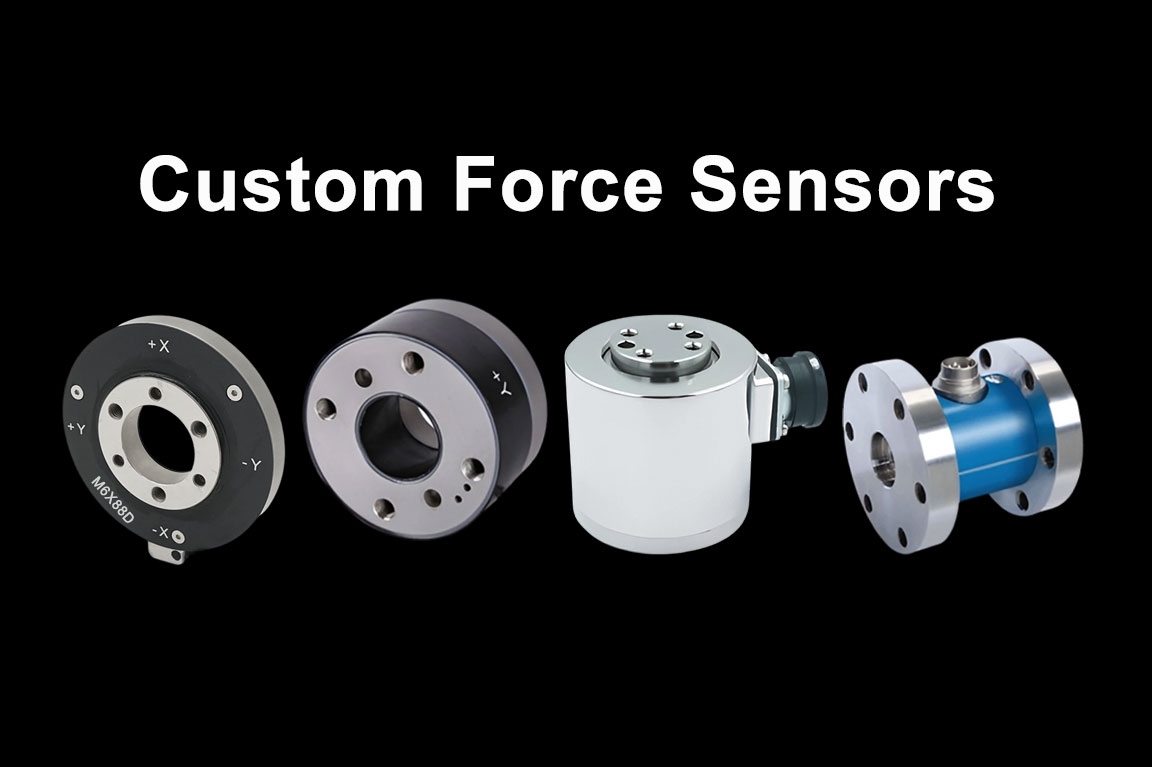
Strain Gauge vs. Other Sensing Technologies: What’s Best for Custom Force Sensors?
A strange fact to start. Most force sensor failures do not come from bad hardware. They come from the wrong sensing choice made at the start.
It happens quietly. Data looks fine in the lab buy the real loads hit. Temperature shifts, noise creeps in, accuracy slips and suddenly the sensor is the weak link.
This piece of writing clears that fog. You will learn how strain gauges compare to other sensing technologies, where each one shines, and how to choose the best option for custom force sensors without overthinking it.
Why force-sensing decisions matter more now
Force sensors are everywhere now: Robotics, medical tools, automation lines and aerospace rigs, even consumer devices.
Industry data shows the global force sensor market keeps growing as systems get smaller and smarter. At the same time, tolerance for error keeps shrinking.
A tiny drift today can cause big failures tomorrow. That puts pressure on one key decision.
Strain gauges explained without the jargon
A strain gauge measures how much a material stretches or compresses when force is applied. That stretch changes electrical resistance. The change is measured, and the force is calculated. Simple idea, but extremely reliable when done right.
Strain gauges have been around for decades because they work: Quietly, predictably, over long periods of time.
Why strain gauges still lead custom force sensor design
Accuracy you can trust
Strain gauge sensors offer high accuracy across a wide force range. More importantly, they stay accurate. When calibrated well, they deliver repeatable results for years, not weeks.
Built for custom geometry
Custom force sensors rarely look standard. Strain gauges can be bonded to beams, rings, plates, or complex shapes. That flexibility makes them ideal when space, load direction, or mounting is unusual. You design the sensor around the application, not the other way around.
Strong performance in harsh conditions
With the right protection, strain gauges handle:
- Temperature swings
- Long duty cycles
- Vibration
- Industrial environments
That is why they dominate test rigs, aerospace systems, and heavy equipment.
Other force-sensing technologies and where they fit
Strain gauges are not always the answer. Other technologies shine in specific cases.
Piezoelectric sensors
Piezo sensors generate a charge when force changes. They are excellent for fast events like impacts or vibration analysis. But they struggle with steady force. If the load stays constant, the signal fades. That limits their use for static measurements.
Capacitive force sensors
Capacitive sensors measure changes in the distance between plates. They are sensitive and work well at low forces. They react to temperature, humidity, and electrical noise. In controlled environments, they perform well.
Hydraulic and pneumatic load sensing
These systems handle very high loads. They are common in heavy machinery. For compact custom force sensors, they are rarely practical.
Optical force sensors
Optical sensors use light to detect force changes. They resist electrical noise, which is useful in special environments. They are also complex, expensive, and harder to integrate into custom mechanical designs.
When strain gauges are the better choice
This is where the title really comes into play.
For bespoke force sensors, strain gauges are a good bet in the following situations:
- steady readings over time
- There is little to no movement in the force
- The form factor of the sensor has to be tailor-made
- Unpredictable or industrialized environments
- Dependability over innovation in the long run is paramount
They are more practical than other options, despite their lack of sparkle. That matters when products leave the lab.
Real-world example from production
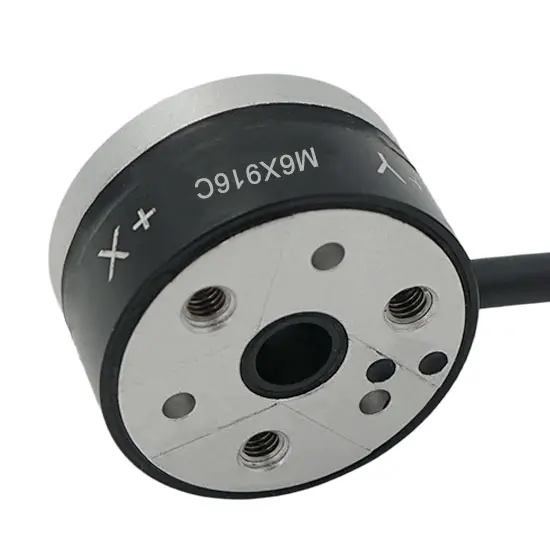
One automation system used capacitive sensors during early testing. Performance looked great in controlled trials. Once installed on the factory floor, readings drifted as temperatures changed, and calibration became a weekly task.
The team redesigned the sensor using strain gauges. Drift dropped, calibration held, downtime stopped. That story repeats across industries.
2026 trend: smarter strain gauge systems
Strain gauges are not stuck in the past.
In 2026, most advanced designs combine strain gauges with:
- Digital compensation
- Temperature correction
- Smart signal processing
The sensing element stays simple. On top is the intelligence. This combined method provides precision without compromising dependability.
Final thoughts
When comparing strain gauges to other sensing technologies, the answer depends on reality, not theory. For custom force sensors, strain gauges continue to offer the best balance of accuracy, flexibility, and long-term stability.
Other technologies have their place. But few perform as consistently once conditions get messy.
If you are developing a custom force sensor and want guidance based on real engineering experience, Marex can help you choose the right sensing path from the start.
What matters most in your application right now? Sensitivity at the edge, or performance you never have to question?