
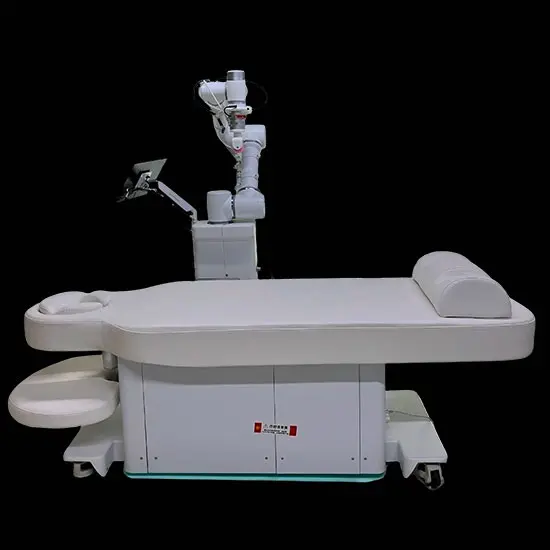
Robotics has progressed beyond simple repetitive processes to systems that can think, adjust, and make decisions on the fly. One of the key elements to this evolution is superior sensing technology, and, more specifically, the multi axis force torque sensor. These sensors allow robots to engage and manipulate their environments. As high-performance sensing systems are introduced to industrial automation and collaborative robotics, the overall capability of machines is transformed.
In this piece, we highlight the key advantages that multi-axis force sensors provide to the fields of robotics and the contributions made to overall performance, operational efficiency, and reliability.
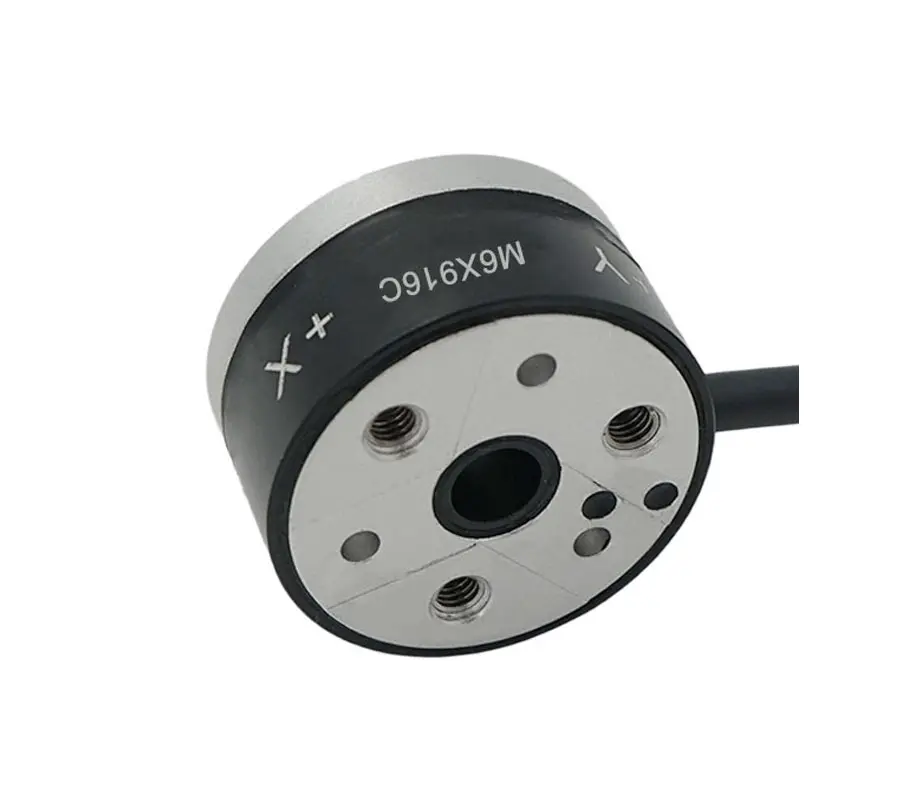
Multi-Axis Force Sensors in Robotics explained
A multi axis force torque sensor detects multiple axial forces (Fx, Fy, Fz) and multiple axial torques (Mx, My, Mz), and does so at the same time. It can do this in contrast to older sensors that only capture one dimension. These sensors enable the user to better understand how forces work and are utilized in the real world.
This is extremely valuable in the robotics field, where linear movements are the exception. Robots require sophisticated and precise multi-directional feedback in order to complete any of their tasks—gripping, lifting, assembling, polishing, and many more.
1. Greater Precision and Control
Robotics is especially susceptible to the positive impacts that multi-axis sensors provide, and the ability to improve operational precision is the most paramount. Robotic movements can be adjusted in real time to address situational demands.
One specific example is the integration of robot joint torque sensors into robot arms. These sensors monitor and regulate the amount of torque that is applied to each joint. As a result, the movement is made smoother, and the overall system performance is elevated. In instances where the robotics application is medical robotics or electronics assembly, the absence of precision can result in the occurrence of a defect—illustrating the necessity of precision sensing.
2. Enhancing Force Feedback for Smart Options
Modern sensors for robotic control systems allow robots to “feel” environmental changes. Using a multi-axis force torque sensor helps robots make smart decisions by measuring and reporting a combination of forces and torques.
Force sensors are particularly good for:
- Robotic gripping and handling
- Surface finishing and polishing
- Human-robot collaboration
With precise engineering, robots can detect slip, respond to counter force, and alter grip strength like a human.
3. Robotic Operations Safety
Safety in a robotic working environment, especially one that combines human and robotic interaction, is a primary concern. Police multi-axis force sensors to detect contact or forces that exceed prescribed parameters and trigger a response.
In robotic application, the sensors:
- Trigger a stop in the event of an unforeseen impact
- Minimize the chance of damaging the facilities
- Create a safe working environment in collaborative robotics (cobots)
By measuring and controlling forces in the environment, the robots act quickly to keep the working environment safe and mechanized.
4. Wide Range of Applications
One of the greatest advantages of multi-axis sensors is the ability to be used in a variety of applications. One multi axis force torque sensor can be used for numerous applications, eliminating the need for numerous sensing devices.
The following industries have a need for such sensors:
- Automotive
- Aerospace
- Electronics
- Materials (testing and quality control)
The ability to measure force in several directions and rotate freely in an unbiased manner is ideal for applications that are versatile and require a very high degree of precision and flexibility.
5. Optimized Performance in Robotic End-Effectors
Good functioning end-effectors like grippers or tools require precise force data, which multi-axis sensors feedback to improve end-effectors usage.
For example, when robots perform tasks such as assembling, to avoid errors and improve quality of the product with less wastage the sensor enables the robot to use just the exact amount of force.
6. Tailored Solutions to Meet Individual Needs of Applications
With the unique nature of every robotic process, the necessity of custom sensor manufacturing comes in as standard sensors cannot cater to the specific demands of intricate mechanisms.
MareX excels in the development and design of custom sensors in accordance with the specific needs of the customer. Whether it concerns load capacity, dimensions, or type of output, bespoke solutions promote energy and performance.
The aforementioned, means businesses can be able to:
- Reduce operational cost
- Enhance precision in the performance of intricate operations
7. Instant Data Access for Refined Automation
For smart automation in this Industrial 4.0, instantaneous or real time data availability and multi-axis force torque sensor is essential as they capture data in a formative manner to improve the system.
The data can be put into use through:
- Predictive maintenance
- Optimization of process
- Quality aspects
Therefore, businesses with real-time data can enhance productivity and reduce the time in the systems that are automated.
8. Less Damage to The Machinery
The increase of maintenance of the machinery and damage can be as a result of the impact of excess force or the misuse of the torques. By keeping the forces effective and safe within the limits, multi-axis sensors minimize such effects.
A robot joint torque sensor in a robot, for example, helps determine and maintain an optimal torque level for a robotic joint. In doing so, the sensor helps decrease the amount of mechanical stress on the entire system, and as a result, also increases the overall lifetime of the robotic system. Improving reliability also lowers the overall operational costs in the long run.
9. Seamless Integration with Modern Robotic Systems
New robotics need new means in which they can create sensors that can provide a better way of working with many other new technologies. Multi-axis force sensors can provide the technologies that can be compatible with the other controllers.
New technologies that create new working controllers with new designs that allow new technologies can be used in the following:
- Robotic arms
- Automated production lines
- Testing equipment
Upgrading a system can be done in a way that the business can not have to replace the system as a result of the flexibility.
Why Choose MareX for Multi-axis Force Sensors?
MareX is a trusted provider and has relied on other technologies to provide composite sensors that have become a standard in robotics and automation, and provide a sensor system for robotics and automation that is multi-axis force torque sensor system. With their sensors being one of the most advanced technologies, MareX has sensors that are:
- Highly accurate and reliable
- Customizable in order to add to many new technologies
- Constructed of many of the same revolutionized raw materials that allow great sensor construction
Whether a robot joint torque sensor or other advanced sensors for robotic control systems is needed, MareX provides the robotics industry’s best.
Conclusion
Today, the use of multi-axis force sensors in robotics is the key to safety, efficiency, and reliability in the automation industry. They are critical for modern automation and now provide the control and decision-making process of intelligent automation.
The added benefit of custom sensor manufacturing allows companies to develop solutions that best meet their needs and guarantee maximum application performance. The evolution of robotics will increase the need for sophisticated sensing solutions such as the multi-axis force torque sensor.
Automation and robotics are highly competitive fields. MareX’s reliable solutions will allow businesses to maintain a competitive edge and access higher levels of innovation and efficiency.