
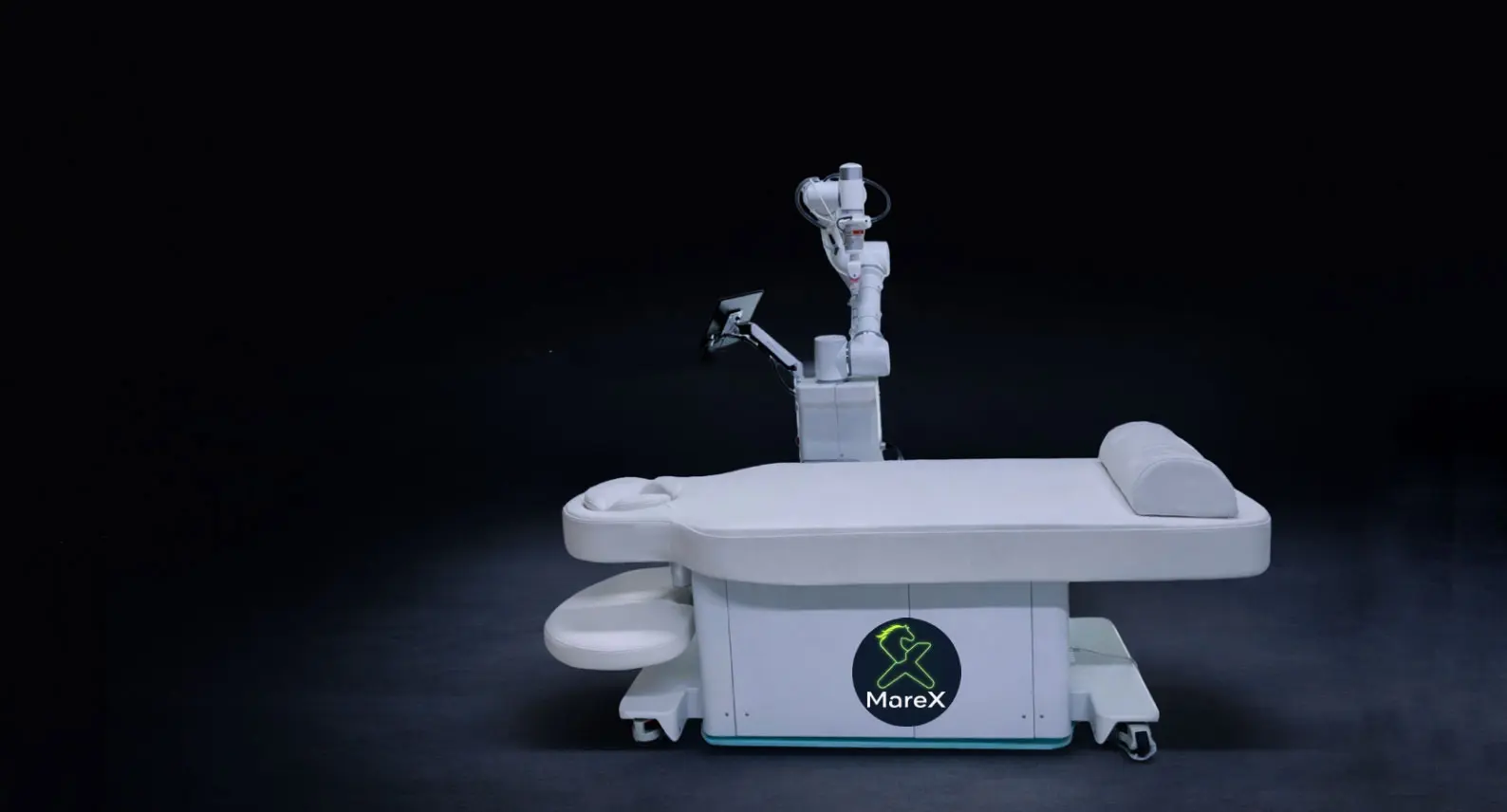
AI Massage Robot Architecture: Sensor Fusion, Force Control, and Intelligent Therapy Automation
The evolution of robotic therapy systems has led to a new class of intelligent machines—AI-powered massage robots. These systems are not just automated tools; they are precision-controlled, sensor-driven platforms capable of delivering consistent, adaptive, and personalized therapy. In many modern applications, AI powered robot massage systems are becoming a practical solution for automation-driven therapy environments, especially where consistency and repeatability matter.At the core of this innovation lies a combination of sensor fusion, force control algorithms, and intelligent automation frameworks.For manufacturers and engineers, understanding the architecture behind these systems is essential to achieving high performance, safety, and user satisfaction
System Architecture Overview
Most AI massage robots follow a three-layer structure. Clean. Functional.
1. Perception Layer (Sensors & Data)
This is where everything starts. The robot needs to “feel” before it can act. No shortcuts here.
2. Control Layer (Processing & Decision Making)
Raw data comes in. Algorithms process it. Decisions get made—how much force, where to move, when to stop.
3. Execution Layer (Actuators & Mechanics)
Motors, joints, mechanical arms. This is where intention becomes motion.
All three layers run in a loop. Constant feedback. Adjustments happening in milliseconds. If that loop breaks, performance drops fast.
Sensor Fusion: The Foundation of Precision
Sensor fusion combines multiple data streams into something usable. More accurate. More reliable.
Typical setup includes:
- Force/Torque Sensors
- Tactile (pressure) sensors
- Position encoders
- IMUs (orientation + motion tracking)
Individually, each one has limits. Together, they fill the gaps.The robot can map body contours, detect resistance, and adjust pressure in real time. That’s the difference between a rigid machine and something that feels… responsive.A multi-axis force torque sensor plays a big role here. It doesn’t just measure push—it tracks force in all directions. Subtle changes. Micro-adjustments. That’s where precision lives.
Force Control Systems
If there’s one thing that defines whether these systems work or fail—it’s force control.You’re not moving objects. .Three main strategies show up a lot:
Impedance Control
Adjusts how “stiff” or “compliant” the robot feels. More resistance? It softens.
Admittance Control
The opposite approach. External force drives motion changes.
Hybrid Control
Mixes position and force control. More balanced. Usually more practical in real systems.
None of these are perfect on their own. Engineers tweak them constantly.
The goal is simple:
- Keep pressure consistent
- Adapt across body regions
- Never exceed safe limits
Intelligent Therapy Automation (Where AI Actually Helps)
AI in this space isn’t magic. It’s pattern recognition and optimization. That’s it.But used correctly—it’s powerful.
These systems can:
- Identify tension zones based on resistance patterns
- Adjust intensity without manual input
- Learn user preferences over time
Not instantly. Not perfectly. But gradually, they get better.Machine learning models process historical data. Small improvements stack up. Eventually, the system starts to feel tailored.Still, AI doesn’t replace engineering fundamentals. If your sensor data is bad, AI won’t fix it. It just amplifies the problem.
Mechanical Design and Actuation
This part gets overlooked sometimes. It should not .You can have the best algorithms in the world—if the hardware isn’t smooth, it shows.
Execution layer includes:
- Multi-axis robotic arms
- Precision motors
- Soft-contact end effectors
The goal is to replicate human motion. Not exactly, but close enough.
Kneading. Pressing. Tapping. These aren’t just movements—they’re force patterns over time.
And consistency matters more than complexity. A simple motion done well beats a complex one done poorly.
Role of High-Precision Force Torque Sensors
This is where quality really shows.Cheap sensors? You’ll see drift, noise, inconsistency. Over time, performance degrades. Users notice.
High-quality sensors give:
- Stable real-time feedback
- Multi-axis force measurement (Fx, Fy, Fz, Tx, Ty, Tz)
- Better repeatability
- Safer interaction
That last point matters more than most people admit.Manufacturers like MareX Technology Co., Ltd focus heavily on this space—custom multi-axis sensors designed specifically for robotics. Not generic parts. Application-specific design.
Conclusion
AI massage robots sit at an intersection—robotics, sensing, control systems, and AI. You can’t ignore any one of these.
The strength of AI Massage Robot Architecture comes down to balance:
- Accurate sensor fusion
- Reliable force control
- Thoughtful automation
Cut corners in any of those, and the system feels it.For engineers and manufacturers, the real focus shouldn’t be just innovation. It should be quality and long-term performance. Because in this kind of application, consistency matters more than novelty.And honestly, that’s what separates systems that work… from ones that just look good on paper.