Understanding Multi-Axis Force-Torque Measurement: What It Means & Why It Matters
That gentle nudge from a collaborative robot? The perfect polish on a curved surface? The precise force a surgical tool applies?These are not just programmed movements.They are moments of feeling. They are made possible by a machine’s sense of touch. This sense comes from multi-axis force-torque measurement.
For engineers and designers, this technology changes everything. It turns clunky machines into intelligent partners. It bridges the gap between the digital plan and the physical world.We shall see how this is a potent technology. We shall see why it is so much now.
Getting the Basics Right: Force and Torque
Let’s clear up the terms. It is actually pretty straightforward.
Think about your own actions.
Pushing a shopping cart requires force. A straight-line push.
Turning a key requires torque. A twisting force.
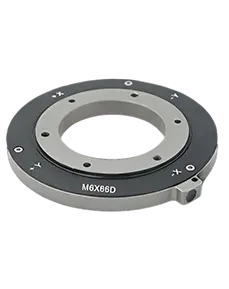
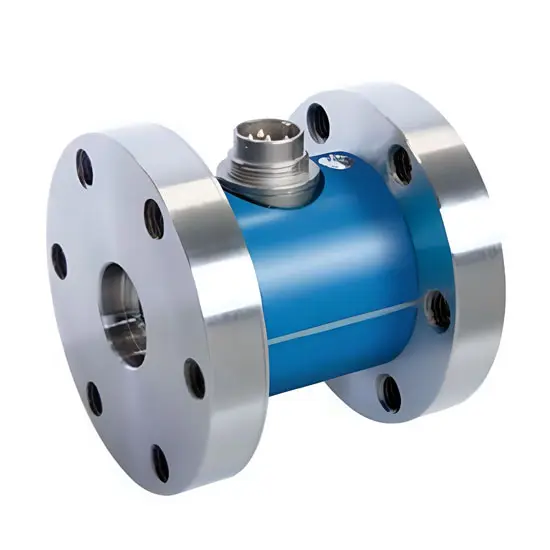
A multi-axis sensor does both. It measures pushes, pulls, and twists all at once. It captures the full story of physical interaction.
Here is a simple breakdown:
Force (F) is a straight-line action.
- Fx: Forward and back.
- Fy: Left and right.
- Fz: Up and down.
Torque (T) is a twisting action.
- Tx: Twist like a steering wheel.
- Ty: Twist like a motorcycle throttle.
- Tz: Twist like a doorknob.
Together, these six measurements (6-axis) give you the complete picture. You know exactly what is happening at that point of contact.
Seeing it in Action: Real Problems, Real Solutions
This is not just for research labs. It is solving tough industrial problems right now.
Collaborative Robots (Cobots) Working Safely
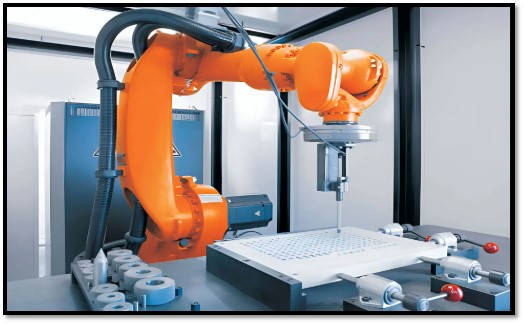
Safety is the number one priority. A 6-axis sensor in a robot’s wrist acts like its sense of touch. It feels like an unexpected bump. It stops instantly before any harm is done. It also knows if it picked up the wrong part. This makes teamwork between humans and robots not just possible, but safe and smooth.
Perfecting Precision Assembly
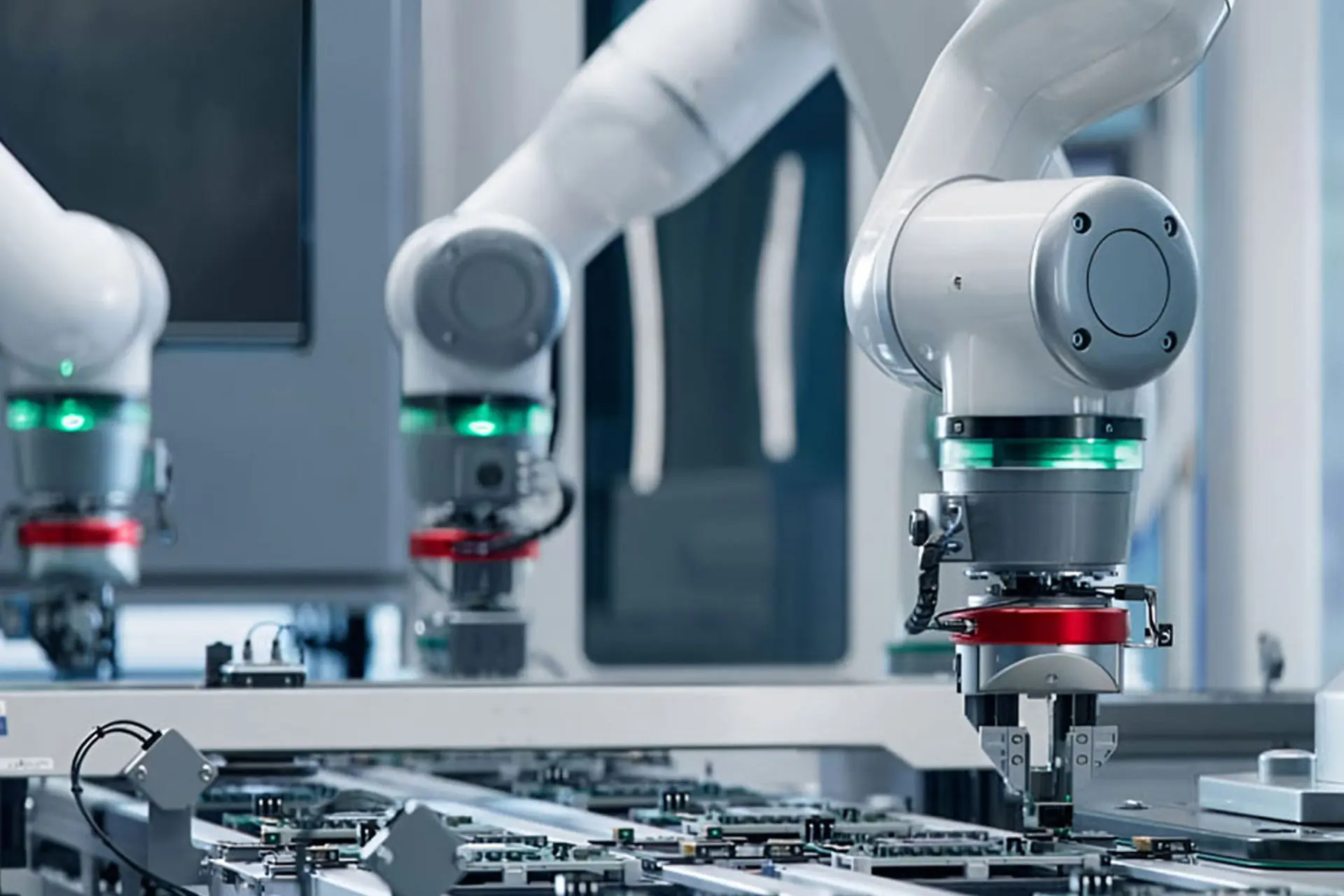
Putting a tiny chip into a circuit board is delicate work. Push too hard, and it shatters. Push too softly, and it does not connect. A force-torque sensor provides the feedback for a perfect, gentle touch. This slashes error rates and saves money.
Supercharging Research and Development
Engineers need real data. How much force is on that new bicycle frame? What are the complex forces on a wind turbine blade? These sensors provide rich, real-world data. They turn guesses into solid facts. This leads to better, safer products.
Why One Sensor is Better Than Six
Here is a common question. Why not use six separate sensors?
The answer is simple: context.
A multi-axis sensor does not just measure six things. It measures how they relate to each other.
Imagine a robot sanding a curved car door. It is not just pushing down. It is also sliding side-to-side and dealing with twisting forces as it follows the shape.
Only a 6-axis sensor sees this entire dance of forces. Single-axis sensors miss the crucial interactions. They give you a few notes of music. A multi-axis sensor lets you hear the whole symphony.
Your Guide to Picking the Perfect Sensor
Choosing the right sensor is critical. Asking the right questions will save you time and trouble.
Here is a quick checklist to get you started:
- What is the load? Know your maximum forces and torques. You need a sensor that can handle the job without strain.
- How precise is precise enough? Define your needed accuracy. Do you need to feel a feather’s touch or a firm shove?
- Where will it live? Consider the environment. Is it hot, cold, dusty, or wet? The right housing is a must.
- How will it talk? Plan the connection. Think about cables, outputs, and how it plugs into your controller.
More and more, we see a need for custom solutions. A standard sensor is a good start. But the best results often come from a tailored fit. A special size. A unique mount. A custom output.
This is where a true engineering partnership makes all the difference.
The Bottom Line: A New Level of Machine Intelligence
Multi-axis force-torque measurement is a bridge. It bridges the neat computer code world and the world of pushing and twisting.
It gives machines awareness. It makes them adaptive. It makes them intelligent.
This is the technology that will lead to the second wave of automation. It is the foundation for smarter factories, safer robots, and more advanced products.
It is no longer a luxury. For leading engineers, it is a necessity.
Feeling inspired to add a sense of touch to your application? Our team at Mare X lives and breathes this technology. We help engineers solve complex challenges with both standard and fully custom sensor solutions.