How Multi-Axis Force Sensors Are Revolutionizing Robotics and Automation
Ever attempted to stack cards with weak hands? One slide and the whole building is downed. And that was what robotics had been all these years: You can make machines run fast and strong, but they lack that sensitive touch of humans that we have been enjoying all that time. At its core in 2025, multi-axis force sensors are filling that gap. They’re giving robots something close to “fingertip awareness,” letting them feel, adapt, and react with an almost human-like precision.
And to answer the question of what is so special about these sensors, continue reading. We will take a plunge into their nature, the reason why they are important, and how they are already transforming every industry globally.
What Are Multi-Axis Force Sensors?
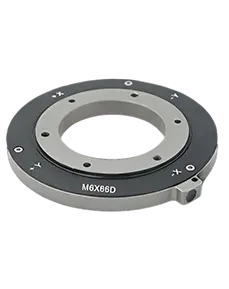
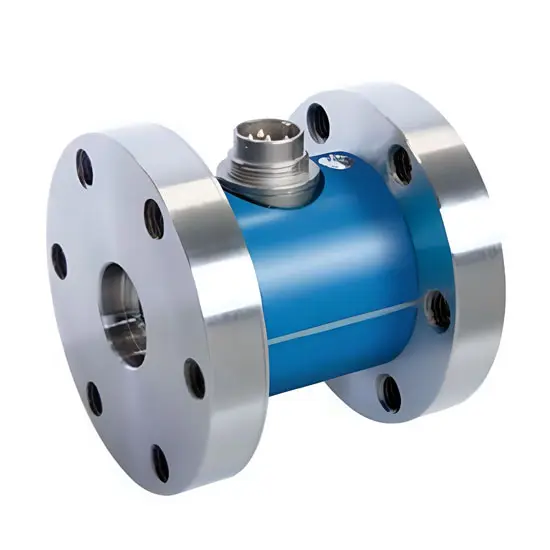
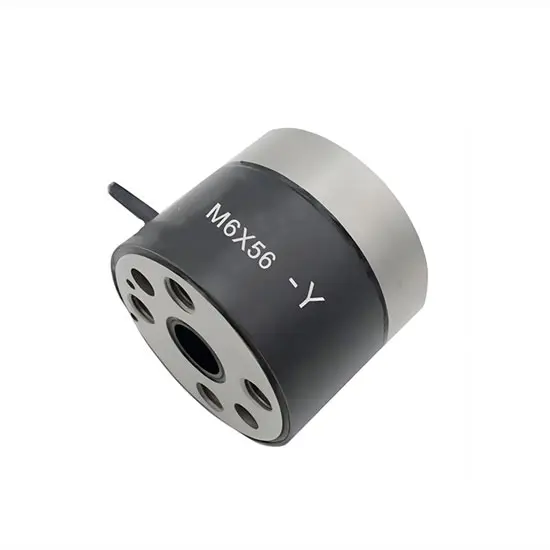
Let’s strip it down. Multi-axis force sensors are, at their most basic level, devices that detect the force and torque through a substantial number of directions simultaneously. A single-axis sensor? That only tells you what’s happening in one straight line. But multi-axis sensors? They capture pressure, twisting, and bending across three or even six axes.
That means robots can now:
- Sense contact with surfaces and objects.
- Adjust grip strength so they don’t crush or drop delicate parts.
- Handle complex tasks like polishing, drilling, or even surgery with millimeter-level control.
Imagine them as the nerves in the fingertips of a robot, very small, very, very small, but very essential to intelligent and safe movement.
Why They’re a Game-Changer for Automation
The automation world runs on three words: speed, safety, and reliability. Multi-axis force sensors check all three boxes in ways older tools never could.
- Enhanced Precision – Robots pick up on tiny force changes. Critical to the manufacturing of semiconductors or assembling of complex medical equipment.
- Improved Safety – Collaborative robots (cobots) stop or adjust themselves immediately when they feel resistance, and prevent accidents.
- Greater Efficiency – Real-time feedback means fewer errors and faster workflows.
And, frankly speaking, in the era of Industry 5.0, when human beings and machines will be performing duties together, that type of sensing power is not only convenient, but it is a necessity.
Turning Innovation into Everyday Solutions
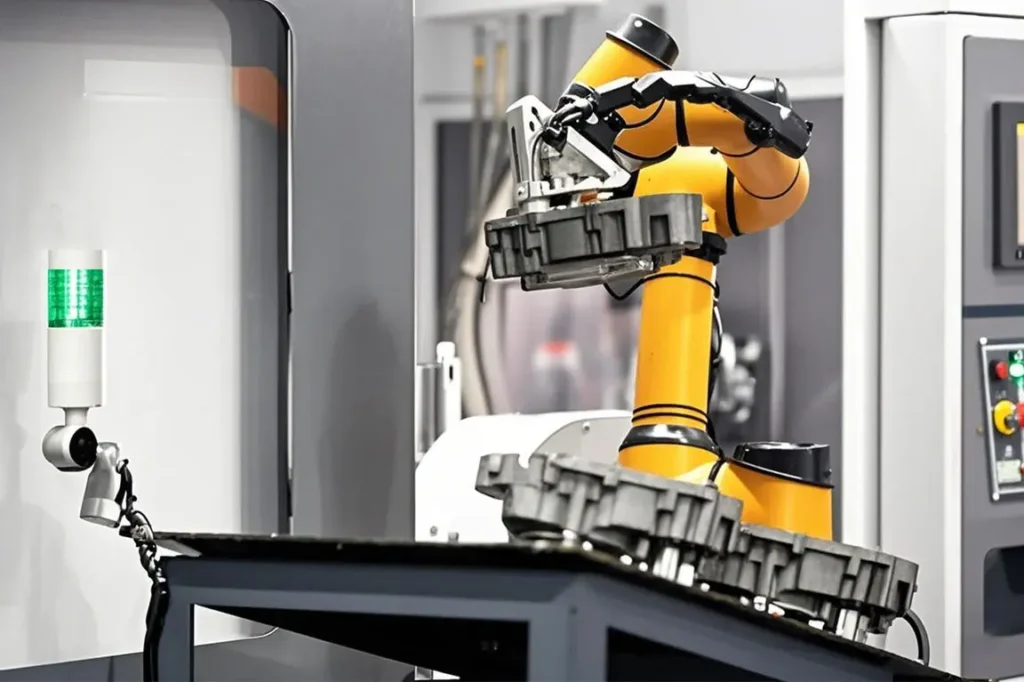
To make all this abstract sound a little clearer, the following is the way it would work in real life:
- Aerospace – They are relied upon by engineers when assembling the spacecraft, and a single little error can cause a failure of a mission.
- Healthcare – Surgical robots are able to make the delicate movements during life-saving surgical procedures through force feedback.
- Manufacturing – Automotive and electronics lines deploy them for welding, polishing, and quality checks.
- Research & Education – Labs and universities rely on them for experiments, training, and pushing robotic intelligence forward.
All these examples tend to the same fact that without correct force sensing, advanced robotics will bump against a wall.
The Innovations Pushing Force Sensors Forward
So, why now? Why are multi-axis force sensors suddenly everywhere? A few reasons stand out:
- Miniaturization – Sensors are smaller and lighter, fitting neatly into cobots.
- Durability – With IP-rated protection and overload resistance, they survive rough industrial settings.
- AI Integration – Pair them with machine learning, and robots don’t just sense, they learn and adapt.
Add all that and you will have a more affordable, scalable and reliable sensor like never before.
Beyond Today: Advancing Human-Machine Harmony
The exciting part? It is not the question of replacing people, it is the question of enhancing them. Multi-axis force sensor robots are able to perform repetitive, dangerous, or extremely precise work. That liberates individuals to concentrate on strategy, design and innovations.
Imagine hospitals with surgeons and robots working together, or factories where cobots are involved in heavy work without taking a chance of getting hurt. That is not decades ahead of us. It’s already unfolding and moving fast.
Conclusion: The Touch That Transforms Robotics
Multi-axis force sensors are not another upgrade. They are the missing component that enables robots to think, move and behave more like we do. They are creating a future where automation is not as dangerous or dumb and is much more human-conscious by even putting a human touch on it.
At MareX, innovation meets precision. They also have advanced multi-axis force sensors and tailored solutions that are assisting Industries across the globe to develop the next generation of intelligent robots. Wish to know how this technology will transform your own operation? Find out more about the experience of MareX and enter the world of robotics of tomorrow.
Read More
The market prospects for collaborative robot end tools are huge!
Performance Evaluation and Selection Guide for Six-Axis Force Sensors for Industrial Robots