
Multi-Axis Force Sensor vs Single-Axis Force Sensor: Choosing the Right Solution
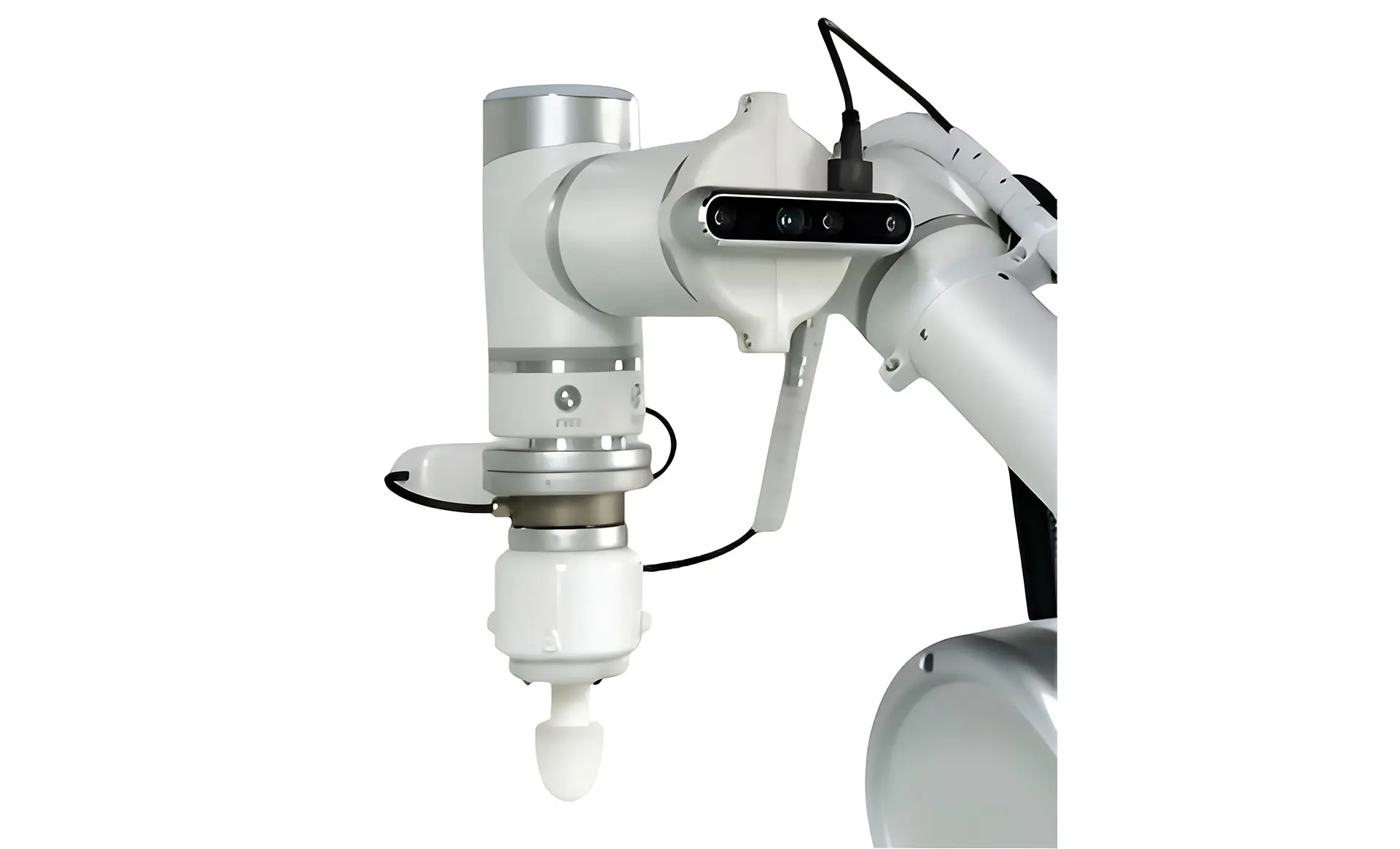
The robotic arm on your factory floor? It looks smart. But it can be pretty clumsy without the right feedback. Think about it, trying to plug in a USB cable. A simple push might work. But if the port is a bit off? The arm starts to twist and jam. It is fighting by itself; it has little to feel. This is the core of the issue.
Choosing the wrong force sensor is like giving that robot poor eyesight. Everything gets slow, clumsy, and expensive. So how do you pick? The simple single-axis sensor? Or the more complex multi-axis type? This isn’t just a technical choice. It’s a business one. Get it right, and your project runs smoothly. Get it wrong, and you face delays and wasted money.
We are going to pass through the actual distinction of these sensors. You’ll see clear examples. And you’ll get a straightforward checklist to make the perfect choice for your needs.
The Big Idea: One Direction vs. Every Direction
We shall leave this out of the book. Visualize forces in some sensible manner.
A single-axis force sensor is a one-trick pony. And that’s its greatest strength! It measures force in one single direction. That’s all it does. It answers a simple question perfectly: “How hard is something pushing or pulling in this straight line?” A great example is the scale in your bathroom. It only measures how much you’re pushing down on it. Nothing else.
Now, a multi-axis force sensor is a whole team in one device. It feels like pushes and pulls from all sides. The popular 6-axis sensor is a real overachiever. It doesn’t just feel like a shove. It feels like a twist, too.
• It feels stretching and pulling in three directions straight: up/down, left/right and forward/backward.
• Plus, it senses the twists and turns around each of those lines.
It is almost an X-ray insight into the physical forces in action. You read the entire story, not only one chapter.
Go Single-Axis When Your Task is Simple and Straight
Never underestimate a simple tool. For straightforward jobs, a single-axis sensor is often the best pick. It’s tougher, cheaper, and easier to set up.
Choose a single-axis sensor when the force is predictable and moves in one clean line.
You see this in everyday situations:
Basic Push/Pull Tests
Similar to putting a rope to the test and checking its capacity to hold a certain weight.
Weighing Stuff
Monitoring how much material is in a storage bin.
Quality Checks
Making sure a machine part is always pressed together with the same force.
Here’s the takeaway: If your problem is as simple as “Is this force strong enough?” or “How much weight is here?”, then a single-axis sensor is your best friend. It’s the reliable specialist.

Time for Multi-Axis When Things Get Complicated
Forces in the real world are messy. They rarely come from just one direction. That’s when you need the bigger picture.
You need a multi-axis sensor when forces get tangled up or when you need to understand a complex motion.
This is where the magic happens:
Advanced Robotics
The robot sanding a curved concept of a piece of wood should have the ability to control the push and the slide in the lateral direction in order to acquire a smooth finish.
Sports Science
In order to study a golf swing, you must record the downward force, the rotational twist, and the side-to-side shear at the same instant.
Tough Product Testing
When you push a new game controller button, you need to know if an awkward push is bending the plastic inside. A single-axis sensor would miss that.
A multi-axis sensor is not an extravagance in such instances. There is no other solution than doing the job right.
Let’s Bring It Home
It is all relative to the problem you are solving.
• Single-Axis is your hero for simple, one-directional tasks. It’s the reliable specialist.
• Multi-Axis is your champion for complex, interactive applications. It’s the master of context.
Remember, the goal isn’t to buy the most advanced sensor. The goal is to buy the sensor that fixes your problem.
Still undecided, just make a call to us. The team at MareX eats, sleeps, and breathes force measurement. We assist your type of people on a daily basis. We can make the noise disappear and get the just-right solution to your project. Don’t waste time guessing.