
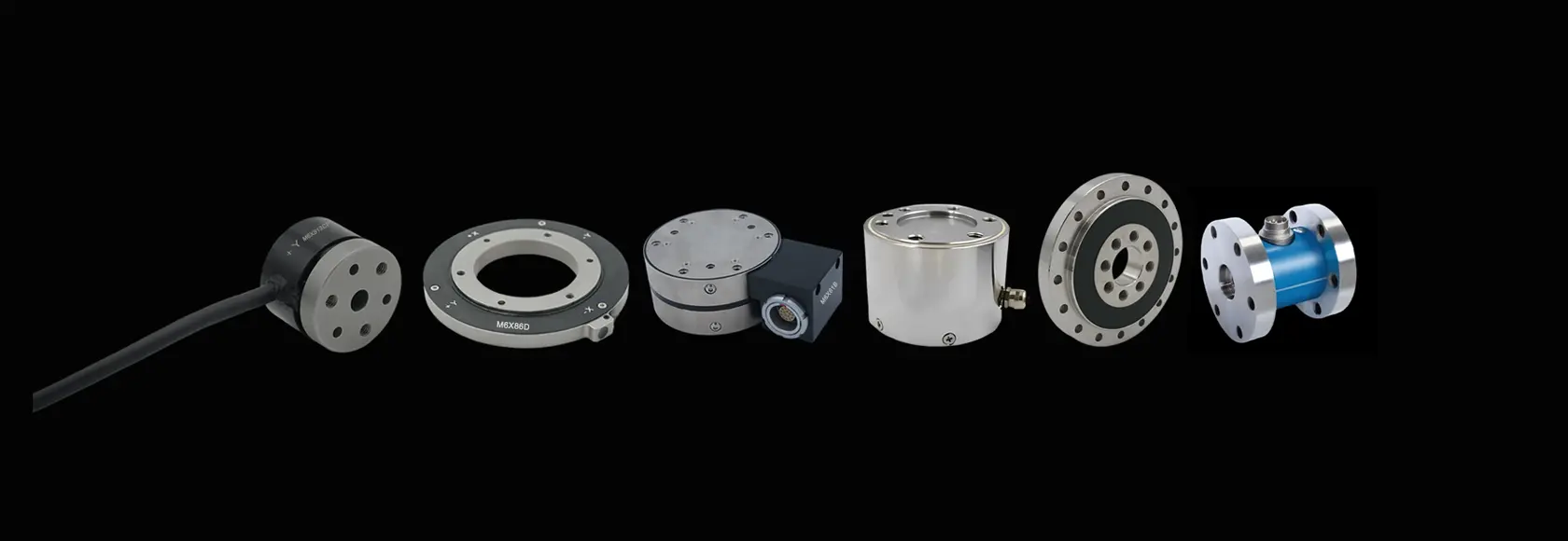
Five Key Benefits of Using a 6 Axis Force Torque Sensor in Robotics Application
Watch a surgical robot. See how it adjusts its pressure with a delicacy finer than a human hand. That’s not just programming. That’s feeling.
Now, look at an assembly line. A robot feels a part begin to slip. It corrects its grip in a millisecond. That’s not a preset command. That’s a reaction.
This is the new reality in robotics. The secret? A 6-axis force torque sensor. It’s the technology giving robots a genuine sense of touch. It lets them feel push, pull, twist, and turn all at the same time.
This changes everything. It bridges a massive gap. The gap between a dumb, repeating machine and a system that can intelligently adapt.
If you’re building, programming, or managing robots, you need to know how this sensor transforms applications. Let’s dive into the five key benefits. This is where machines truly come to life.
1. Achieve Unmatched Precision in Assembly Tasks
Robots are famously strong. But without feeling? They’re just clumsy.
Think about inserting a delicate component. Or threading a tiny screw. This requires a gentle touch. It needs constant, tiny adjustments. A rigid robot arm can’t do that alone.
Enter the 6-axis sensor. It provides that missing layer of intelligence.
Here’s the magic in action:
The robot starts moving a part into place. There is a slight misalignment. The sensor feels it instantly. It finds the barrier from side to side. It can feel the unpleasant twist in the rotation. This live force feedback streams to the robot’s brain. The system then guides the arm, making minute, real-time corrections.
The outcome is perfect. A perfect fit. Every single time. You say goodbye to broken parts and frustrating jams. You move from simple automation to intelligent, graceful execution.
2. Build True Safety for Human-Robot Collaboration
Safety is everything when people and robots share a space. For years, the answer was a cage. A physical barrier.
Force sensing smashes those cages.
A 6-axis sensor turns a potential hazard into a collaborative partner. It gives the robot the ability to perceive a human presence through physical touch.
Picture this scenario. An employee turns and accidentally leans into the path of the robot arm. A traditional system might not know until it’s too late. But a robot with force sensing? It feels the contact the moment it happens. It’s a proactive sense, not a reactive one.
The robot can be programmed to stop dead. Or to gently yield and move away. This builds real trust. It makes it possible for people with skills and robots with strength to really work together.
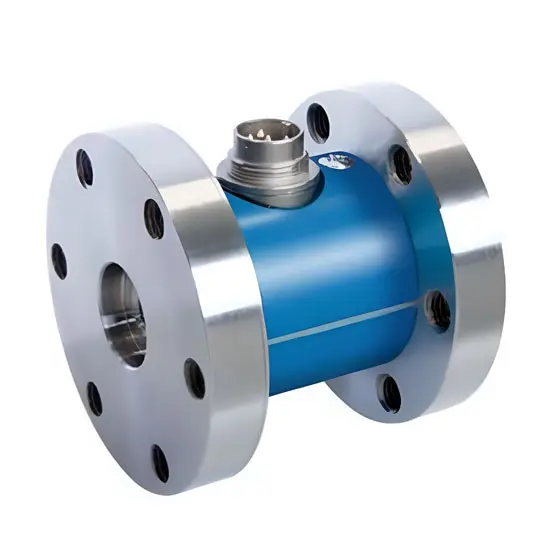
3. Run Automated Quality Checks You Can Trust
How do you know a product is right? Is the bolt tight enough? Is there a hidden flaw in the assembly?
You can’t check every single unit by hand. But a robot with a 6-axis sensor can.
It becomes your ultimate quality inspector, working 24/7.
Program the robot to perform a simple test. Push on a panel. Twist a knob. The sensor measures the exact force and torque it encounters. It compares this real-world data against a perfect standard you set.
- The force is too high? Something’s bent. A part is stuck.
- The torque is too low? A connection is loose.
This happens in real-time on the line. You catch failures the instant they happen. You get a hard data log for every product that rolls through. Quality is no longer a spot check; it’s built into every second of your process.
4. Unlock Simple Teaching with Hand-Guiding
Robot programming can be a nightmare. Jogging axes with a teach pendant is slow. It’s technical. It eats up valuable engineering time.
What if you could just show the robot what to do?
With a 6-axis sensor, you can. This is called hand-guiding.
You simply grab the end of the robot arm. You push it. You guide it along the path you want it to learn. The sensor feels your force and follows your lead, effortlessly recording the motion.
It’s incredibly simple. It’s intuitive. Tasks that took hours to program now take minutes. This is a game-changer for small batches and custom work. It gives incredible power to the shop floor operator.
5. Mine a Goldmine of Process Data
Everyone wants better data. But how do you get it?
A 6-axis force torque sensor is a powerful data hub on your robot. Every single action, every push, every insertion, every turn generates a story told in force and torque.
This data is a goldmine. You can use it to:
- Predict maintenance. Spot a tool wearing out because the forces it uses are slowly changing.
- Optimize speed. Understand real-world forces to make cycles faster without breaking things.
- Prove your process. Show clients and regulators hard evidence that your work is perfect.
This moves you beyond simple control. You’re now into continuous improvement. You learn from every action. You make your entire operation smarter and more resilient.
The Final Word: Smarter Machines, Better Results
Adding a 6-axis force torque sensor isn’t a small step. It’s a giant leap. It transforms your robot. It goes from a machine that just repeats to a partner that interacts.
You get precision that amazes. You get safety that builds trust. You get quality you can prove. You get simplicity in teaching. And you get data that makes you smarter.
The big question has changed. It’s no longer if you need this sense of touch. It’s how you will use it to get ahead.
Ready to bring this adaptive intelligence to your robots? The engineers at Mare X live for this stuff. We specialize in high-precision, custom sensor solutions that solve real-world problems.